Categories
Articles

3 min read

3 MIN READ

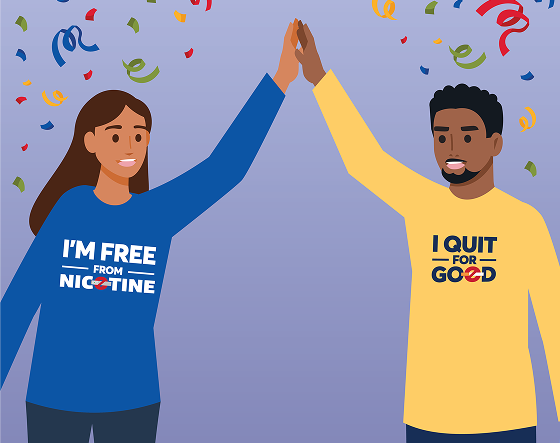
4 myths about vaping

Vaping is breathing in a mist made by an electronic cigarette (e-cigarette, also known as a vape). Some people use it to quit smoking. Others enjoy the flavors and social aspects of vaping. But there are some beliefs about vaping that don’t quite match up with the facts.

Print

Looking for more? Find other articles below

Info Box

Common myths1 you should know about vaping


Myth #1: Vaping is a safer alternative to smoking.

Fact: Vape products contain thousands of chemicals, many of which we haven’t identified yet or don’t know the long-term effects of. Since the Food and Drug Administration (FDA) hasn’t fully reviewed vape products, they all have different formulas. But the ingredients we do know of are alarming.2 They include:
  • Carcinogens: Cancer-causing chemicals such as acetaldehyde and formaldehyde (the main ingredient that’s used in embalming liquid)
  • Diacetyl: A chemical linked to a lung disease called bronchiolitis obliterans, aka “popcorn lung”
  • Heavy metals: Such as lead and nickel

Myth #2: Vapes aren’t as addictive.

Fact: Nope, they’re just as addictive. Many users take in more nicotine than with regular cigarettes. Nicotine is bad for your heart and lungs. It raises your blood pressure and spikes adrenaline. These side effects can increase your risk of heart attack and stroke.

Myth #3: Vaping is a good way to quit smoking.

Fact: Research actually shows that most people who vape to quit their nicotine habit end up doing both — vaping and smoking.

Myth #4: Vaping helps keep people from smoking cigarettes.

Fact: It’s actually getting more people — especially young people — hooked on nicotine. Even those who wouldn’t have smoked cigarettes in the first place.

Where there’s no smoke, there’s still nicotine

Nicotine doesn’t just come from cigarettes or vapes. It also shows up in other forms that are just as addictive and carry health risks, including:

  • Pouches and nicotine gum: Aside from the risk of heart attack and stroke from using nicotine, another risk of using these products is releasing too much nicotine into your bloodstream at once and getting nicotine poisoning. Nicotine poisoning can cause diarrhea, dizziness and even lead to comas.3
  • Dip (chewing tobacco): Dip is loaded with fiberglass that cuts your mouth and gums (which is how the nicotine gets into your bloodstream). And it’s been proven to cause issues such as bad breath and even several types of highly fatal cancers, such as pancreatic cancer. In fact, people who use tobacco are 50% more likely to develop pancreatic cancer than those who don’t.4

If you use tobacco or nicotine and would like to quit, help is available. You can join thousands of smokers across the country in taking the first step during the Great American Smokeout® on November 20. You can also enroll in the  Costco Tobacco & Nicotine Cessation Program for coaching and support to help you on your journey.

Sources:

1Johns Hopkins Medicine. 5 Vaping Facts You Need to Know.
2American Lung Association. What’s in an E-Cigarette?
3American Academy of Pediatrics. Dangers of Smokeless Tobacco.
4American Cancer Society. Pancreatic Cancer Risk Factors.

Categories
Articles

5 min watch

5 MIN WATCH

Video: 2026 Reimbursement Accounts
(Inspira Financial)

Mainland and Hawaii employees only

One of the ways Costco helps employees save money is through reimbursement accounts from Inspira Financial™.

Watch this video or see the chart below for a quick overview and to see what’s changing. Remember, you must enroll or re-enroll if you want to participate in 2026.

Print

Looking for more? Find other articles below

+

Show transcript

Here’s a reimbursement accounts overview

Health Care Reimbursement Account (HCRA)
Dependent Care Assistance Plan (DCAP)
What it’s for
Out-of-pocket health care expenses for you, your spouse and eligible dependents — Copays, deductibles and coinsurance, plus dental, vision, hearing aid and pharmacy expenses.
Dependent care expenses for you and your spouse — Eligible elder or childcare costs so you and your spouse can work.

It can’t be used for dependent health care costs — that’s the HCRA.
2026 contribution limits
$120 up to $3,400
Up to $7,500 (or $3,750 if married and filing separately)
When funds are available
Your full annual election amount is available January 1.
Funds are available as they’re deducted from your paycheck.
How reimbursement works
Autopay — Your HCRA is set to automatically reimburse you for eligible copays, deductibles or coinsurance for medical, dental and vision expenses.

If you plan to use your funds for things like braces, be sure to turn off autopay at the start of the year on the Inspira website or app.

Debit card — Use it at a Costco Pharmacy, Costco Optical Department, Costco Hearing Aid Center and at the Costco Online Pharmacy.

Inspira website or app — You can submit a claim for reimbursement when you have an eligible expense.

You’ll be reimbursed up to the current balance in your account.
When to enroll
Enroll during Annual Enrollment.
Enroll during Annual Enrollment or during the year as your childcare needs change.
Election changes
Election changes are not allowed — so you won’t be able to start, stop or change your contributions after Annual Enrollment.
Start, change or stop your contributions as your qualifying childcare needs change.
Rollover
Unused funds that carry over to the next year (total amount is determined by the IRS each year)
Remaining balance of up to $660 automatically rolls over from 2025 to 2026.
No rollover
Grace period
When you can use leftover funds to pay for new expenses
No grace period
Use funds leftover at the end of the year on expenses during the grace period (January 1–March 15 of the following year).
Claim filing deadline
Last day to file claims for the previous year’s expenses
April 30 of the following year
HCRA and DCAP funds are USE IT OR LOSE IT!

This means you forfeit any money left in your account after the claim filing deadline of April 30 of the following year. (Except for your HCRA rollover up to the IRS rollover maximum.)

Not sure how much to contribute?

If you usually meet your annual deductible, you could start with that amount. You won’t pay taxes on what you put in. HCRA funds can help cover your out-of-pockets costs for doctors’ visits, X-rays, lab work and more, while DCAP funds can pay for in-home aid and daycare.

Keep in mind that both HCRA and DCAP funds are “use it or lose it,” though a portion may roll over to the next year.

Autopay uses your HCRA funds automatically, unless you turn it off. You can adjust your contribution during Annual Enrollment each year. DCAP funds are a little different — you can change your contribution amount throughout the year, and you need to submit a claim for reimbursement. While you can enroll or make changes to your DCAP contribution amount during Annual Enrollment, you can also do so if your child- or eldercare needs change.

Categories
Articles

4 min watch

4 MIN WATCH

Video: 2026 Dental Plan Changes

Costco offers two dental plan options: Network Dental and Choice Dental.

Starting in 2026, both Network Dental and Choice Dental will be available to benefit-eligible employees regardless of benefit-eligibility date. Previously, Choice Dental wasn’t available to employees who became benefit-eligible on or after January 1, 2020.

Watch this video before you complete Annual Enrollment to learn about the differences and to choose the best plan for you.

Print

Looking for more? Find other articles below

+

Show transcript

Info Box

Starting in 2026, this is what’s changing:

  • All benefit-eligible employees can choose either plan — no matter their benefit eligibility date.
  • You and your covered family members can each earn a $50 credit toward your medical deductible and coinsurance after your first in-network dental cleaning each year. If you’re enrolled in Choice Dental and use an out-of-network dentist, you won’t be eligible for the credit.
  • For locations that don’t have Network Dental, you can still earn the credit with in- and out-of-network dentists. Go to Costcobenefits.com for a list of these locations.
For help finding an in-network dentist, visit Aetna.com or call 800-218-1458 to reach the Aetna Dental® team.
Categories
Articles

8 min watch

8 MIN WATCH

Video: 2026 Benefits Changes

Want to know what’s changing for 2026? Watch this new video to find out. Changes include more free counseling sessions from Resources for Living®, an increased annual allowance for prescribed glasses and contacts, a new administrator for your pharmacy benefits and more. For all the changes, see your 2026 Benefit Plan Changes booklet.

Print

Looking for more? Find other articles below

+

Show transcript

Changes that take effect on January 1, 2026
Resources for Living® 8 free counseling sessions (up from 6) per person, per issue, per year
Emergency room (ER) copay increase
(Mainland only)
The ER copay on the Aetna® medical plan will change from $150 to $200. Deductible and coinsurance still apply. If it’s not a true emergency, you have other options for care, such as 98point6 virtual care for a $0 copay.
Aetna Dental® plan change
(Mainland only)
Both Network Dental and Choice Dental will be available to all benefit-eligible employees regardless of your eligibility date.

Network Dental has a higher annual and orthodontia benefit with a lower cost per paycheck. The plan pays for covered dental care with in-network providers only.

Choice Dental has a lower annual and orthodontia benefit with a higher cost per paycheck. The plan offers a reduced benefit for dental care with an out-of-network provider.
Aetna Dental® incentive change
(Mainland only)
You and your covered family members can each earn a $50 credit toward your medical deductible and coinsurance when you get your first in-network dental cleaning each year. If you’re enrolled in Choice Dental and get an out-of-network cleaning, you won’t be eligible for the credit.

For locations that don’t have Network Dental, you can still earn the credit with in- and out-of-network dentists. Go to Costcobenefits.com for a list of these locations.
Aetna digital update
(Mainland only)
New Aetna digital experience, including:
  • Enhanced search and chat features
  • Care Paths and program recommendations for your health needs
  • Aetna Smart Compare® Intelligent Matching to help you find quality and effective care, with your 3 best matches appearing at the top of your provider search results
Hawaii medical and dental plan changes
(Hawaii only)
Both HMSA medical plans and dental plans will be available to Hawaii employees, regardless of your part-time or full-time status:
  • HMSA HMO provides in-network coverage only, and you’ll need to get a referral from your primary care doctor to see a specialist. But you’ll pay a lower cost per paycheck.
  • HMSA PPO provides coverage out-of-network, and you don’t need a referral to see a specialist. But you’ll pay a higher cost per paycheck, and you may pay more for care.
  • Core Dental has lower payroll contributions for a lower annual and orthodontia benefit.
  • Premium Dental has higher payroll contributions for a higher annual and orthodontia benefit.
Pharmacy change to Navitus
(Mainland and Hawaii)
Navitus Health Solutions will replace Costco Health Solutions as your pharmacy benefits administrator. Your prescription drug coverage will stay the same. You can still use your employee ID to fill prescriptions at a Costco Pharmacy, and you can still use any network pharmacy for first-time fills.
Reimbursement account limit changes
(Mainland and Hawaii)
  • HCRAYou can now contribute more each year to your Health Care Reimbursement Account — up to $3,400.
  • DCAPYou can now contribute more each year to your Dependent Care Assistance Plan — up to $7,500 (or $3,750 if you’re married filing separately).

To learn more about reimbursement accounts, click here.
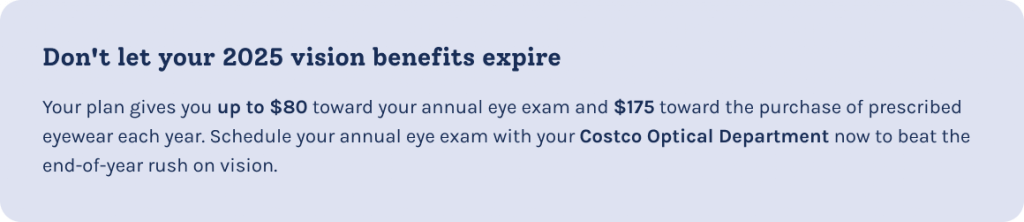
Vision hardware allowance change The annual allowance for prescribed eyewear (glasses and contacts) is increasing from $175 to $200. You don’t have to use it all at once, but you do have to spend it by December 31 each year.
GEM Sleep for sleep apnea
(Mainland only)
Employees enrolled in the Aetna medical plan will have access to sleep apnea support from GEM Sleep, available through Sleepio.

GEM Sleep makes it easy to get a diagnosis from home. Based on your evaluation, you’ll get treatment options — like CPAP — and support to get started. Plan cost shares like copays, deductible and coinsurance apply.

Find all the details in your 2026 Benefit Plan Changes booklet.

Visit the enrollment website at Costcobenefits.com to complete the Annual Enrollment process, November 1–25.

Categories
Articles

3 min watch

3 MIN WATCH

Video: 2026 Annual Enrollment instructions
November 1–25, 2025

Annual Enrollment takes place November 1–25. It’s your time to review and choose the coverage that fits your needs, whether you’re a longtime employee or you just became eligible for benefits. Watch this short video for everything you need to know about the 2026 Annual Enrollment process.

Print

Looking for more? Find other articles below

+

Show transcript

Make sure you don’t miss any of these key actions

Log in at Costcobenefits.com and select the enrollment website to get started.

  1. Complete Dependent Verification for your spouse or domestic partner. Otherwise, their coverage will end on December 31, 2025.
  2. Review your current benefits elections to see if you need to make any changes.
    • Watch the 2026 Benefits Changes video so you can make informed decisions about your benefits.
  3. Add or remove dependents who are no longer eligible. Eligible children will stay covered. If you add any family members, you must submit required documentation by November 30 to receive approval for their coverage to be active on January 1, 2026.
  4. Enroll or re-enroll in the Health Care Reimbursement Account (HCRA) and/or Dependent Care Assistance Plan (DCAP) to help you save on care. Elections don’t carry over year to year.
  5. Review your beneficiaries. Be sure to add or update any beneficiaries as needed.
    • For Life/AD&D insurance: Enrollment website
    • For the retirement plan: RPS.TRowePrice.com
Categories
Month Topic

October 2025: Annual Benefits Reminder

Categories
link

7 min listen

Categories
Articles

2 min read

2 MIN READ

Use your 2025 benefits before they expire

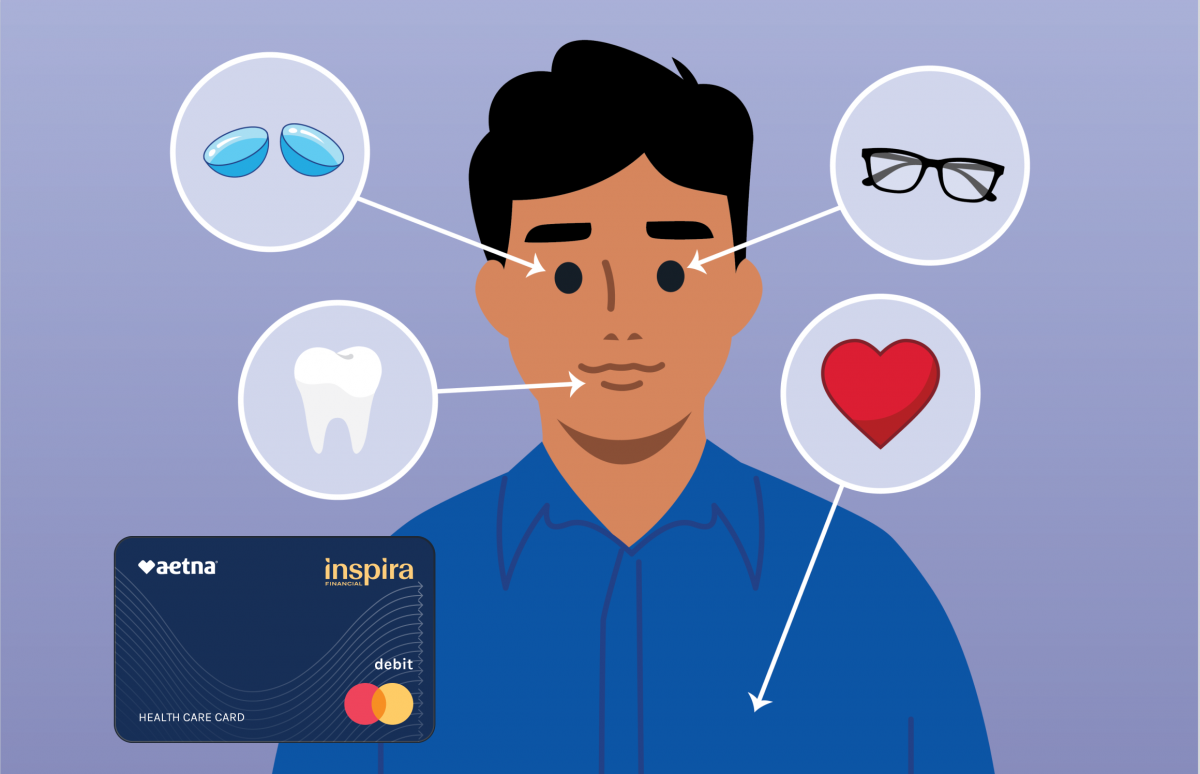
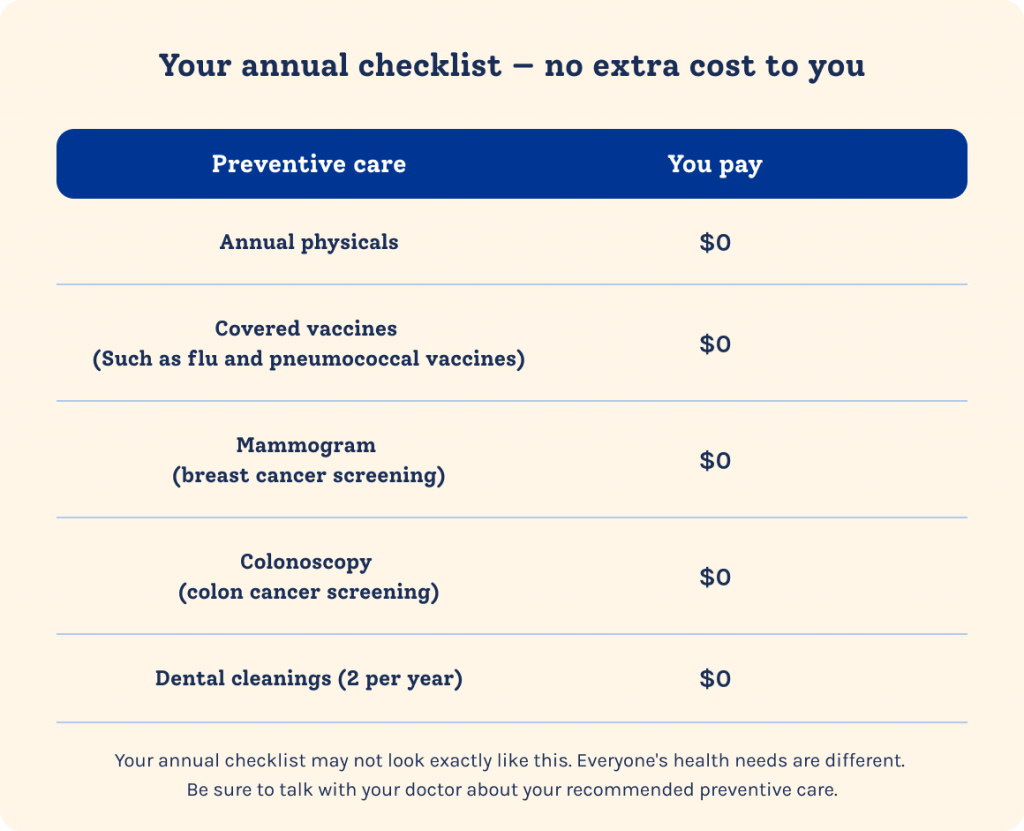
Don’t miss out on your no-cost preventive care — there’s still time to get it before year-end. It’s 100% covered by your medical plan when you see in-network providers. Plus, you can earn a credit toward your medical deductible and coinsurance, after getting your first dental cleaning of the year. So it’s good for your health — and your wallet. And don’t forget to spend any funds left in your Health Care Reimbursement Account. Only $660 can be rolled over from 2025 to spend in 2026. You can use them on dental and vision expenses.

Print

Looking for more? Find other articles below

Earn $50

Regular dental exams and cleanings don’t just protect your mouth and teeth. They can also help you save money down the line by catching issues early. Treating gum disease early may even prevent heart disease.1

Your first dental cleaning puts money back in your pocket. Every person enrolled in your plan (including you) can earn $50 toward your shared deductible and coinsurance after their first dental cleaning of the year. So, if you’re a family of 4, that adds up to $200.

An eye exam is like seeing into the future. It checks for conditions such as dry eye, cataracts and glaucoma. It can also catch the early signs of serious health conditions such as diabetes, high blood pressure, heart disease and more — so you can get treated now.

Need help finding a primary care provider (PCP)?

A PCP gets to know you and your medical history, and they can tailor care or treatment plans to your needs. Plus, having a PCP may reduce your risk of an ER visit by 19%.

Browse your plan’s provider network to find an in-network PCP who’s right for you. Or head to Costcobenefits.com > Health & Wellness > I Want To > Find a Doctor to get started. You may see a few different options for a PCP, like a family or general practitioner, pediatrician (doctor for kids) or an internist (doctor of internal medicine). On the mainland, you can also choose an Ob/Gyn (doctor for women).

Source(s): 1Cureus. The relationship between periodontitis, gingivitis, smoking, missing teeth, endodontic infections, aortic aneurysm, and coronary artery disease: The 10-year results of 25 patients.