Categories
Articles

Watch now

emotional well-being icon

WATCH NOW

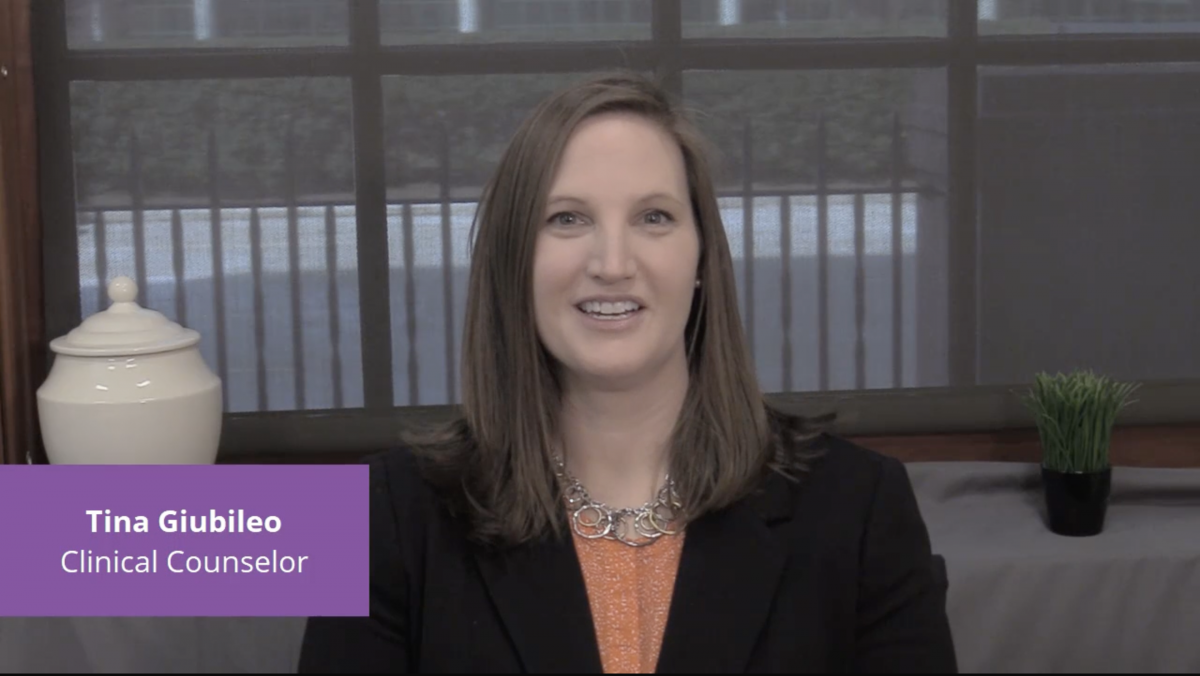
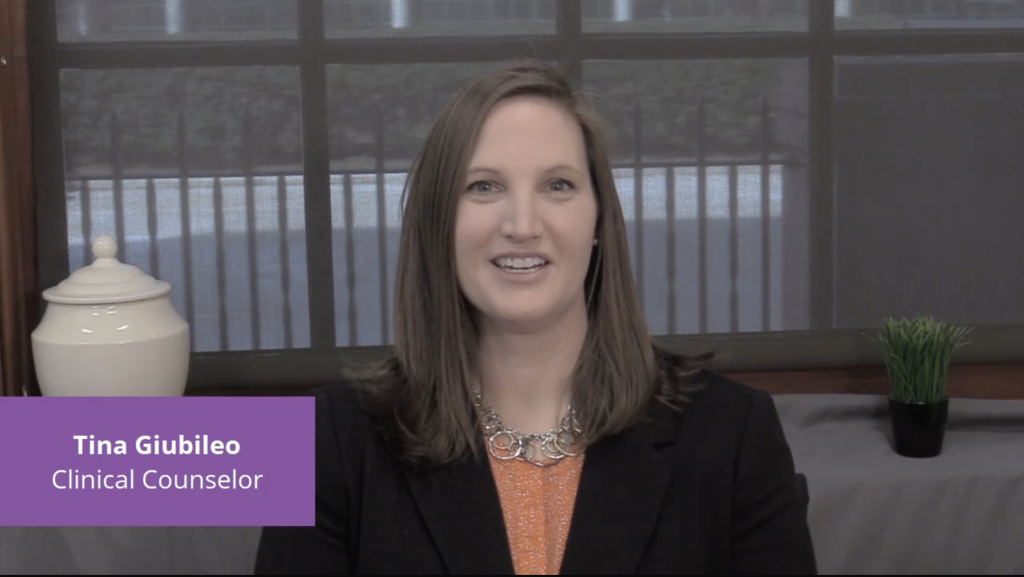
Video: What everyone needs to know about bullying

Pushing and hitting. Cruel words. Online threats. Exclusion. These are all forms of bullying, which can be devastating to a child’s, teen’s or adult’s mental health. Find out how to spot the signs of bullying and what we all can do to make a difference in this important video from Resources for Living.

If your child is a victim of bullying, let them know that it’s not their fault and that you are there to help. If your child is bullying others, set expectations and consequences to help guide them down a different path. Telemynd* can offer additional support with therapy and psychiatry for parents and children dealing with bullying.

Print

Looking for more? Find other articles below
Watch video

+

Show transcript

Categories
Articles

Take action

TAKE ACTION

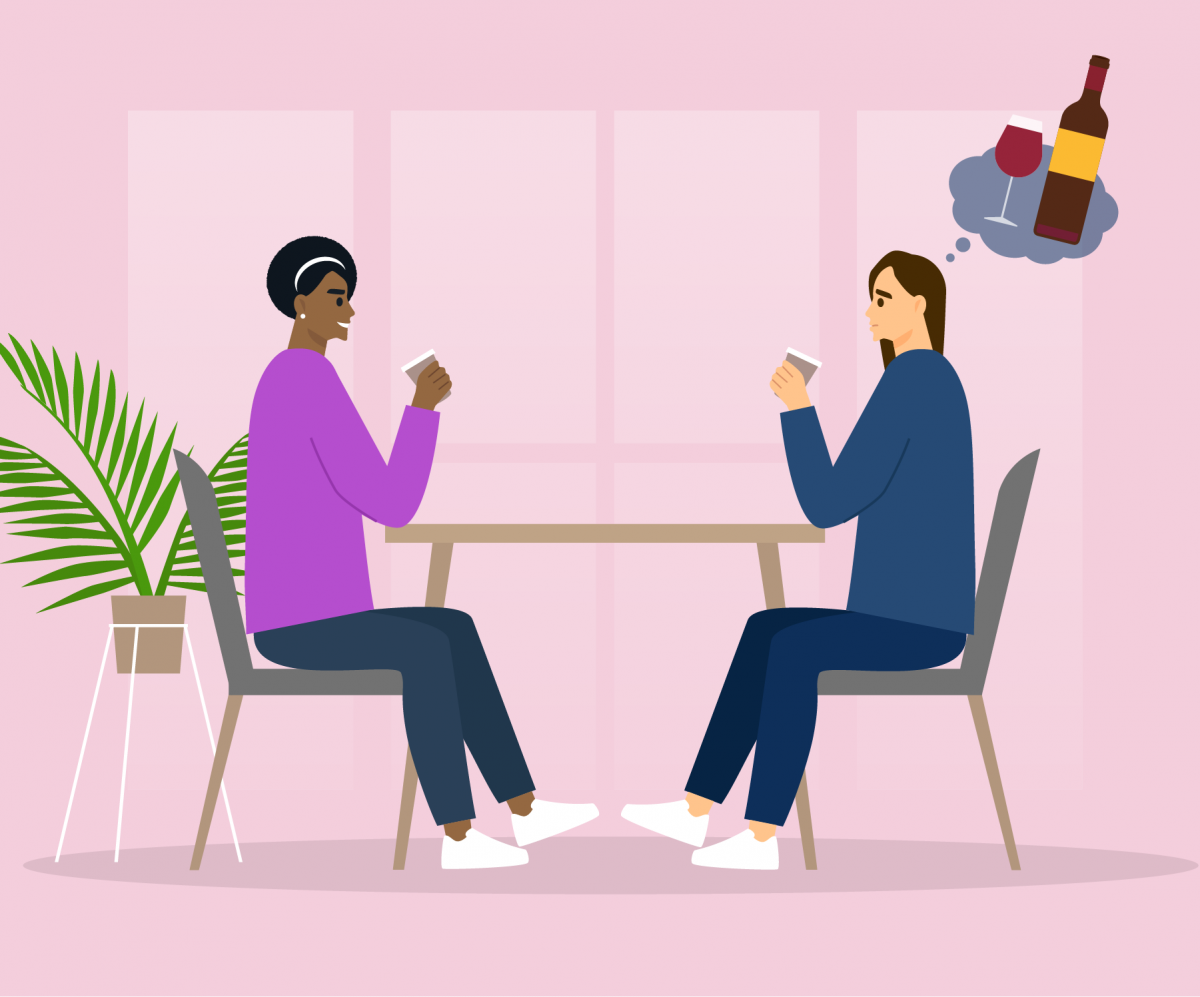
How to get help for substance use concerns

If you’re struggling with alcohol, drugs or opioids, or you love someone who is, you may feel hopeless, worried or guilty. You’re not alone — 7,500 Costco employees battled substance use concerns last year. The truth is, these problems are common, treatable health conditions. Your Costco benefits are here to help, without judgment, whenever you are ready.

Print

Looking for more? Find other articles below

A complex disease

Some people don’t understand why or how other people become addicted to alcohol, drugs or prescription medicines. They may mistakenly think that those who use substances lack moral principles or willpower and that they could stop by simply choosing not to.  

In reality, substance use disorder is a complex, long-term disease, like asthma or diabetes. Drugs and alcohol change the brain in ways that make quitting hard, even for those who want to.  

A devastating impact 

Substance misuse has enormous costs to those who are struggling and to those that care about them. It can break up families and destroy relationships. The impact to physical health is substantial. For just one example, it can increase risks of disease, such as heart disease, cancer or stroke. It can also seriously affect your finances.  

Not only does addiction require a steady supply of drugs or alcohol, but those who are struggling may have difficulty keeping a steady income, drain their savings or retirement accounts to fund their habit, and rack up legal fees or court costs if sustaining their addiction leads to unlawful behavior.

Treatment is available

While an estimated 54.6 million Americans battled a substance use disorder in 2022, only 26% got treatment.1 One barrier to getting help is worry over the cost of care.

That’s why it’s important to know that substance use disorder is a medical condition. Treatment is covered when you use in-network providers, like any other medically necessary treatment. The same deductibles, copays and coinsurance apply.

Ready to get help?

Your medical plan provider, be it Aetna®, Triple-S or HMSA, is committed to giving you and your family the best possible care advice. For employees with an Aetna medical plan, the Live Healthy Team* can help link those battling substance misuse and their families with counseling, hospitals, rehabilitation centers and support groups, and help come up with care plan goals. 

Treatment is highly individualized. One person may need different types of treatment at different times. Your doctor and care team will help guide you on your path to recovery and support your progress along the way.  

Most treatments involve detoxification, during which you stop taking the substance and allow it to leave your body. You can go through detoxification in both inpatient and outpatient settings. Your doctor may recommend therapy to treat any co-occurring mental health conditions and to teach healthy coping techniques. Medication may also be part of your treatment plan to relieve craving and withdrawal systems.

Resources for Living (RFL) provides counseling to help people with substance use concerns learn healthier thought patterns and behaviors. Employees can also use RFL’s Mind Companion Self-care as a self-guided recovery tool.  

Substance use in teens

Peer pressure and glamourization of alcohol and drug use in mass media can affect teens’ substance use decisions. In fact, a recent survey showed that teens are more likely to drink alcohol or use marijuana if the people they follow posted about it on Instagram or Snapchat.2  

That’s all the more reason to talk to you kids about substance misuse. Take a deep breath, stay calm, and use these tips to be real with your kids.

  • Normalize the conversation based on their age and give them a safe space to ask questions.
  • Don’t be afraid to set ground rules and expectations together.
  • Accept their responses — even those you didn’t expect to hear — and resist the urge to lecture.

When kids test the substance use waters — or dive right into the deep end — it’s often the result of an underlying mental health condition. Teens with ADHD, anxiety and depression may use alcohol or drugs to self-medicate, even though that may worsen their symptoms. Telemynd* can help you and your child discover and address their mental health conditions through therapy, coaching and further evaluation, available for kids and teens up to age 18. 

If you’re concerned about substance use concerns, for yourself or a loved one, talk to your doctor. And look to the resources below for help and support.

*Available on the mainland only. 

1American Addiction Centers. Alcohol and drug abuse statistics.
2Florida International University. Teens are more likely to use alcohol and marijuana if they see themselves post about it on social media.

Sources:
Aetna. If you’re struggling with drugs or alcohol, Aetna can help.
National Institute on Drug Abuse.
Understanding drug use and addiction.
Cleveland Clinic.
Substance use disorder.

Categories
Articles

Learn more

physical well-being icon

LEARN MORE

Know your options for pain management

Pain is a reality for many people. Whether chronic, such as back pain, or acute, such as after an injury, pain can disrupt nearly all aspects of your life. But if you’re struggling with misusing alcohol or drugs, getting relief can be complicated. People battling current or former substance misuse can be vulnerable to the addictive quality of prescription opioid painkillers such as oxycontin or oxycodone.  

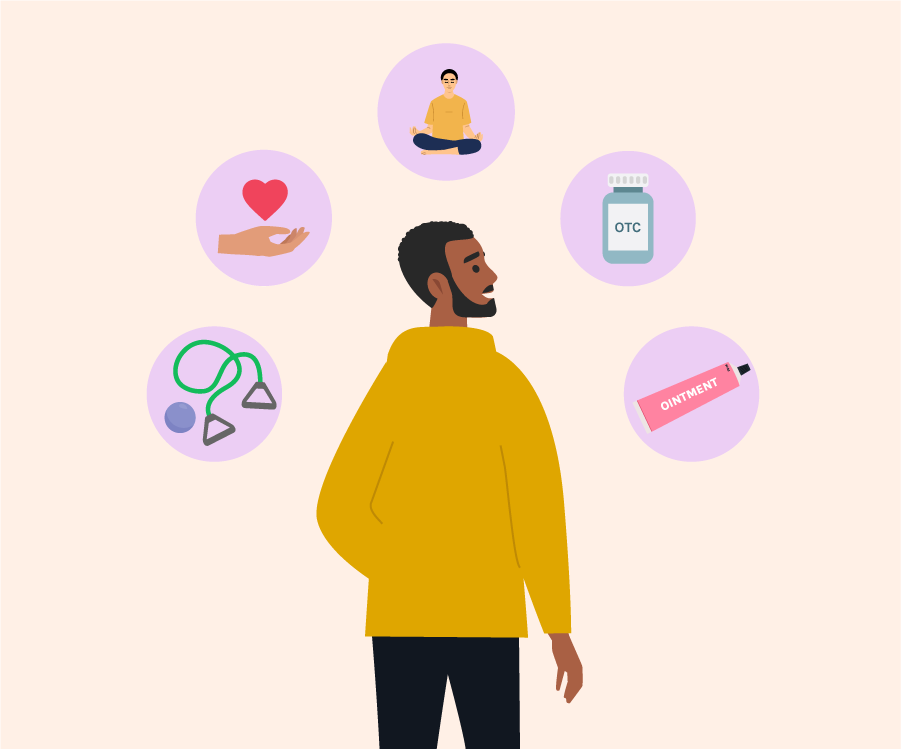
Luckily, there are options available for pain management that have fewer risks and may work better than opioids. These include over-the-counter medication, physical therapy, acupuncture and many others covered wholly or in part by your Costco benefits.

Print

Looking for more? Find other articles below

Addiction and pain control 

Dr. Peter Grinspoon, an internist at Massachusetts General Hospital, notes that patients are often nervous to tell their doctor about a past or current addiction because they’re afraid their pain won’t be treated. “There’s still a lot of stigma associated with substance use disorders, even among some medical providers,” he says. “But people who struggle with addiction deserve proper pain control.”1 

If you or a loved one has a history of addiction, the best course of action is to be upfront with your doctor. It’s your doctor’s responsibility to work with you to find ways to manage your pain safely. That includes exploring non-opioid medications and non-drug treatments.

Non-drug treatments for pain

Because of the side effects and risks of most medications, you may want to first try treatments that don’t rely on drugs. Some of these include:

Physical therapy

Often one of the best choices you can make when you have long-term pain or an injury, physical therapy (PT) relieves symptoms and improves flexibility through targeted exercises and stretching.

Omada Joint & Muscle Health provides virtual physical therapy with a dedicated physical therapist that you can do in the comfort of your own home.

Acupuncture

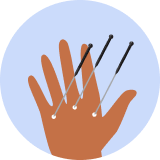
By inserting thin needles at key points on the body, acupuncture can interrupt pain signals and rebalance energy. Your Costco benefits cover up to 20 acupuncture visits per year, combined with homeopath and naturopath visits.

Electrical stimulation

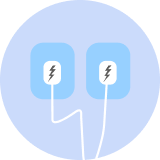
Transcutaneous electrical nerve stimulation (TENS) sends a gentle current to painful areas to interrupt nerve signals to the brain. TENS is a covered benefit when medically necessary.

Massage

Therapeutic massage may relieve pain by relaxing painful muscles and joints, relieving stress and anxiety and releasing mood-boosting endorphins. Massage may be covered by your Costco medical plan when medically necessary as a short-term rehabilitation benefit.

Therapy

Behavioral therapy can teach people coping skills to deal with the stress that pain can cause. It can also help address the negative thoughts and emotions that can make pain worse. 

Resources for Living (RFL) offers six yearly free counseling sessions to help you and your loved ones get support to manage substance misuse, stress, anxiety, depression and more. You can also try RFL’s  self-guided emotional support program for substance misuse through Mind Companion Self-care.

Mindfulness

The practice of mindfulness can help people break down the experience of pain into identifiable sensations and help them reclaim a sense of pleasure and joy, despite the pain. You can find mindfulness exercises and other resources at RFL.com/Costco.

Non-opioid pain medications  

The treatments above are often used in combination with medications that have less potential for addiction and can help with pain. You can fill your prescriptions at any Costco Pharmacy through Costco Health Solutions.* Some of these medications may include:

  • Over-the-counter pain medications, including acetaminophen, such as Tylenol, and nonsteroidal anti-inflammatory drugs (NSAIDs), such as Advil, can often be used together for mild to moderate pain. 
  • Methadone, a long-acting narcotic, provides pain relief and helps calm the craving for other opioids.
  • Exparel, a non-addictive, one-time injection that relieves pain after dental surgery.
  • Cox-2 inhibitors, a prescription form of NSAID, block a specific enzyme to help reduce inflammation.
  • Prescription nerve pain medications can help calm nerve-related pain.
  • Topical ointments, such as lidocaine, can minimize pain signals at the nerve endings in the skin.
  • Interventional therapies, such as injections, can block nerve pain sensations from a specific area of the body.

If you do need to take opioids

In some cases, it may be hard to avoid opioids, for example, after a major surgery. If so, take these precautions:

Create a pain plan

Work with your doctor to know how you can reduce pain using a combination of treatments.

Find a partner

Identify a family member or friend who can hold on to your pills, manage your doses and check in on you while you take your opioid medication.

Get rid of leftover pills

Discard extra pills safely at drop off locations, including Costco pharmacies, so that you won’t be tempted to take them.

If you or a loved one has a history of substance misuse, don’t suffer in silence or worry that pain relief will upend your recovery. You can manage pain safely. Use the resources below to explore some of your options.

*Not available in Puerto Rico. 

1WebMD. Addiction: Know your options for pain management.

Sources:
Medline Plus. Non-drug pain management.
American Society of Anesthesiologists.
Non-opioid treatment.
NIH Medline Plus Magazine.
From opioids to mindfulness: a new approach to chronic pain.

Categories
Articles

Explore more

physical well-being icon

EXPLORE MORE

The gut-brain connection

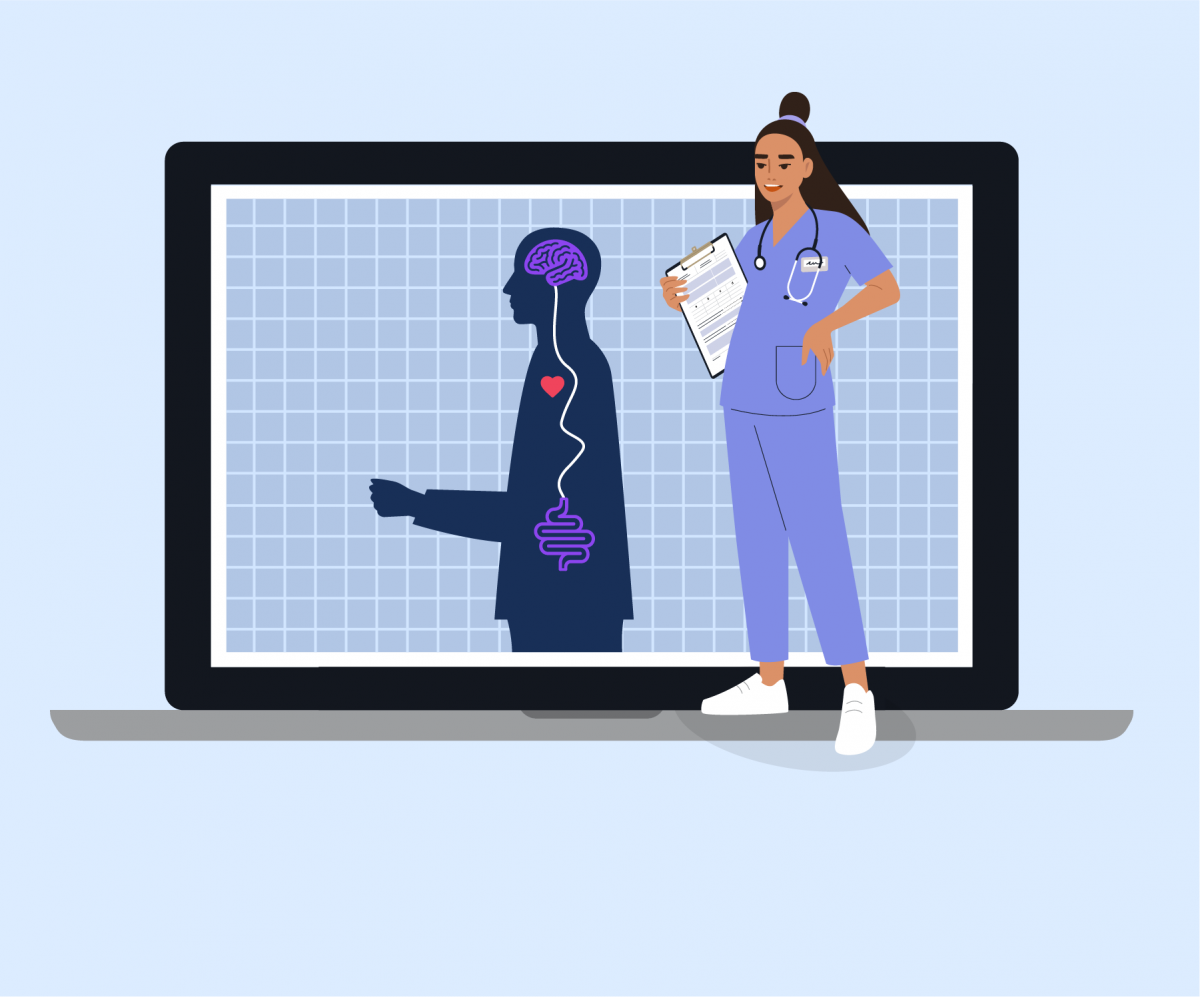
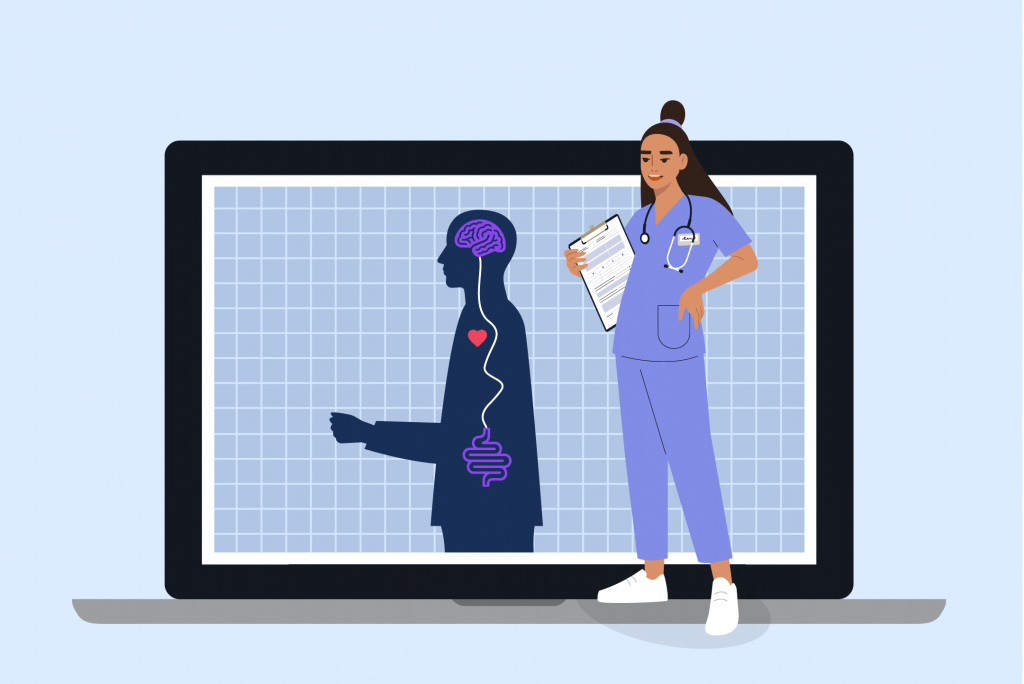
Do you ever get butterflies when you’re excited or nervous? Or feel hungry after watching a pizza commercial on TV? That’s your gut communicating with your brain. 

The relationship between these two parts of your body affects your mood, sleep and digestion. So, it’s important to get the right treatment if you have gut issues, such as bloating, constipation or acid reflux.  

If these conditions affect you, you’re not alone — digestive disorders are the second most common diagnosis among Costco employees. That’s why Costco employees now have access to a new, free digestive health program from Cylinder to help get the best possible care for gut issues.

Print

Looking for more? Find other articles below

Substance misuse and the gut

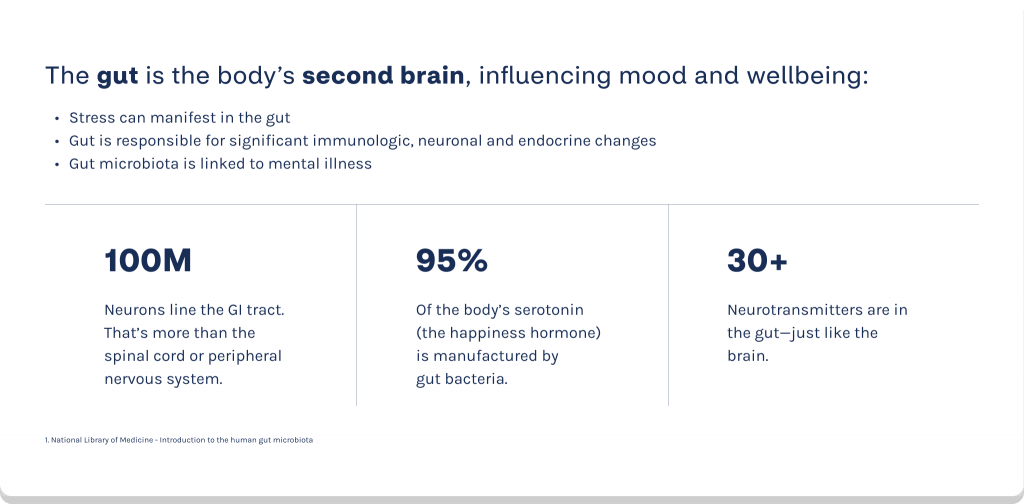
95% of your body’s serotonin, the “happiness hormone”, is manufactured by gut bacteria. Misusing addictive substances, such as alcohol or narcotics, disrupts your gut health which lowers your serotonin levels. This can cause feelings of depression and anxiety. Restoring gut health is one way to help return serotonin to healthy levels, an important part of substance misuse recovery.

Gut health and diabetes

Gut health may also be tied to diabetes. For years, researchers have been studying the composition of the gut microbiome, a collection of microorganisms that include fungi, bacteria and viruses that live in the digestive tract. People with higher levels of certain bacterium are more likely to have insulin resistance, which can cause high blood sugar and diabetes. Improving your gut health can help balance your gut bacteria and may reduce symptoms and slow down the progression of the disease.

Your new digestive health benefit

If you’re one of the many people with gut issues, often suffering in silence, your new digestive health benefit from Cylinder can help. It’s available at no cost to employees and their family members age 18+ enrolled in a Costco medical plan.

This free virtual program offers 24/7 digestive health support, starting with a free at-home gut microbiome test to measure the good and bad bacteria in your gut. A registered dietitian and health coach will then work with you to get to the root problem of your digestive symptoms. This highly effective resource has helped 91% of users improve their GI health. For more information, visit Go.CylinderHealth.com/Costcoand useaccess code: Costco or call 888-246-5019.

Better health starts with the gut. Get support from the resources below.

*Not available in Puerto Rico.

Sources:
National Geographic. Your gut health can affect the rest of your body. Here’s why.
Cedars Sinai.
Gut bacteria may play a role in diabetes.

Categories
Articles

Learn more

physical well-being icon

LEARN MORE

Video: Treatment options for substance use disorder

Substance use disorders are treatable, chronic diseases. Recovery is possible and there are many safe and effective treatment options. This 3-minute video from Resources for Living shares what inpatient and outpatient treatment can look like to help those who are struggling decide what path is right for them.

Print

Looking for more? Find other articles below

Watch video

+

Show transcript

Sources:
Resources for Living. Substance use disorder: treatment options
Centers for Disease Control and Prevention. Substance Use & Substance Use Disorders

Your Costco benefits offer help for employees and their family members who are battling addiction. To learn more, see the resources below.

Categories
Articles

Take action

emotional well-being icon

TAKE ACTION

The mood-boosting health benefits of kindness

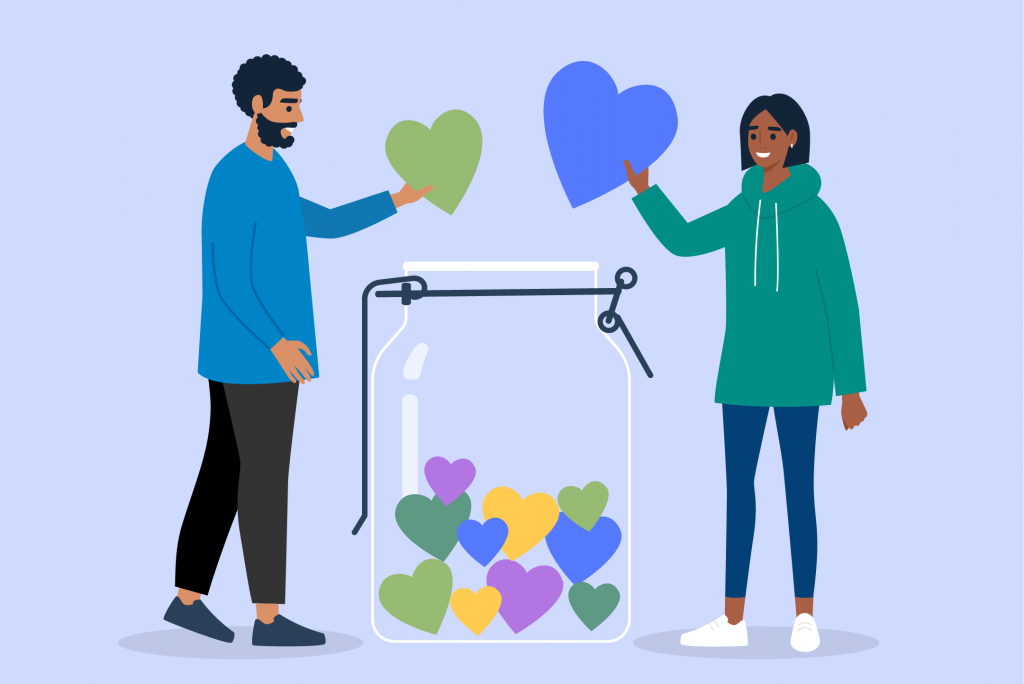
Some days get the best of us. Traffic is awful. A friend or family member cancels their visit. You spill coffee in the breakroom. Your toilet backs up. It can be hard to keep smiling when it seems like everything’s working against you. 

Fortunately, there’s a way to boost your mood at any time that’s completely within your control. It’s as simple as boosting someone else’s mood first.  

And remember, your Costco benefits are always there for you to help you through a hard time or build your social connectedness.

Print

Looking for more? Find other articles below

Being nice is a win-win

Many people have stories about how being nice to someone made them feel good. Now, science is beginning to help understand why. 

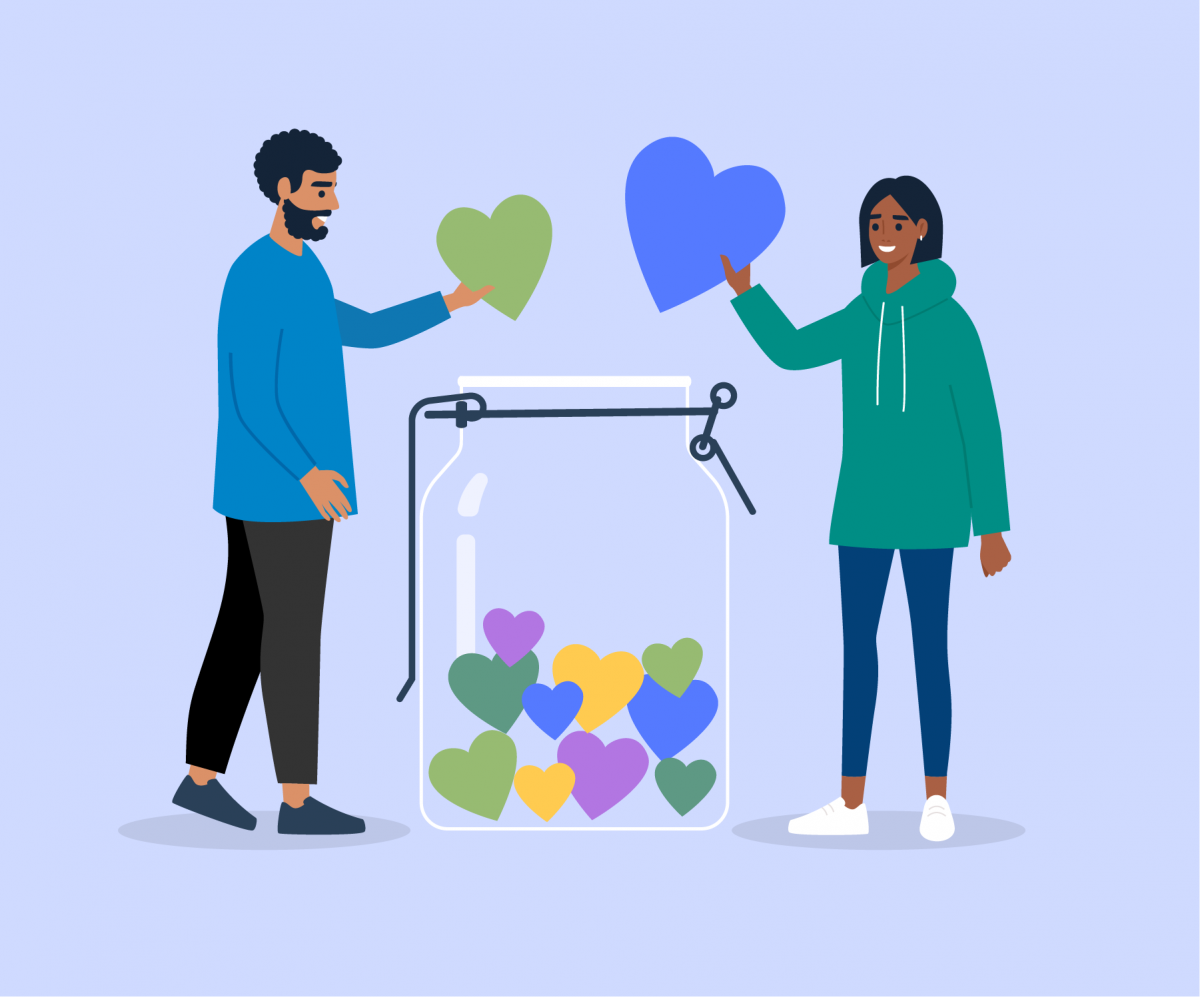
Using brain imaging, researchers found that receiving money increases activity in the brain’s reward system, the same area of the brain that releases feel-good chemicals when stimulated by food or a good nap.1 But that’s not all. Donating to a charity also had the same effect. In other words, both giving and receiving kindness can produce a natural high. 

But you don’t have to spend money to reap the benefits of being nice. According to a study in The Journal of Social Psychology, people aged 18 to 60 who carried out random acts of kindness every day for 10 days reported higher life satisfaction than those who didn’t.2 Spreading good vibes can really pay off.

Kindness doesn’t have to cost a thing

These everyday acts can leave a big impact on a fellow human being. Try one out to see how it feels. Get free, confidential mental health support through Resources for Living®.

Tell someone they’re doing a great job 

Noticing the work someone is putting in and saying thank you can make a huge difference in their day. Try things such as leaving a thank you note for your mail carrier, writing a Yelp review about a great waiter, or giving a fist bump to a helpful coworker.

Let someone else go first

Slowing down often creates opportunities to be kind. Maybe it’s letting a car merge in front of you in traffic. Or letting a person with fewer items at the grocery store check out before you. There are countless ways being a little patient can make all the difference to someone else.

Give something other than money

What do you own that you can give away? Consider carrying items like granola bars or new socks that you can give to unhoused folks. Or pack up used amenities that are still in good condition, like towels and sheets. Many animal shelters accept old linens to keep their animals warm.

Offer up your time

Everyone needs a break sometimes. If you know someone with kids or pets, offering to babysit or pet sit for free can be a huge help. Weed a busy neighbor’s garden. Help a friend clean out their closet. Or volunteer for a cause you believe in, such as Costco’s Reading Buddies program, where you help a young reader once a week at a school in your community. If interested, talk to your manager for more information.

Pay someone a compliment

It’s human nature to think that when someone is looking at you, they’re judging you. Flip this perception on its head. The next time you’re loving a coworker’s style, let them know.

Do someone else’s chores 

Whether it’s a roommate, family member, or friend, everyone gets overwhelmed. Sometimes just doing something small, like the dishes when it’s not your turn, can help someone else catch their breath.

Get in touch

Lots of people touch our lives without ever really knowing their impact. If there’s an old teacher, coach, or manager that changed your life, send them a message of gratitude. It could be exactly what they need that day.

Kindness breeds kindness

At the end of the day, you don’t need a lot of money or a lot of time to show kindness. Sometimes, it can be as simple as making eye contact, saying hi, or just offering a smile.  

If someone doesn’t wave back or express gratitude, that’s ok. Move on to the next opportunity. Kindness has a ripple effect. If you keep expressing it, it will keep coming back to you. 

Check out the resources below to get the personal support you need to create stronger and healthier connections.

1Proceedings of the National Academy of Sciences. Human fronto-mesolimbic networks guide decisions about charitable donation.
2The Journal of Social Psychology. Acts of kindness and acts of novelty affect life satisfaction.

Source:
Eden Project. 10 random ways to make someone’s day.

Categories
Articles

Get help

emotional well-being icon

GET HELP

A caregiver’s guide to setting healthy boundaries

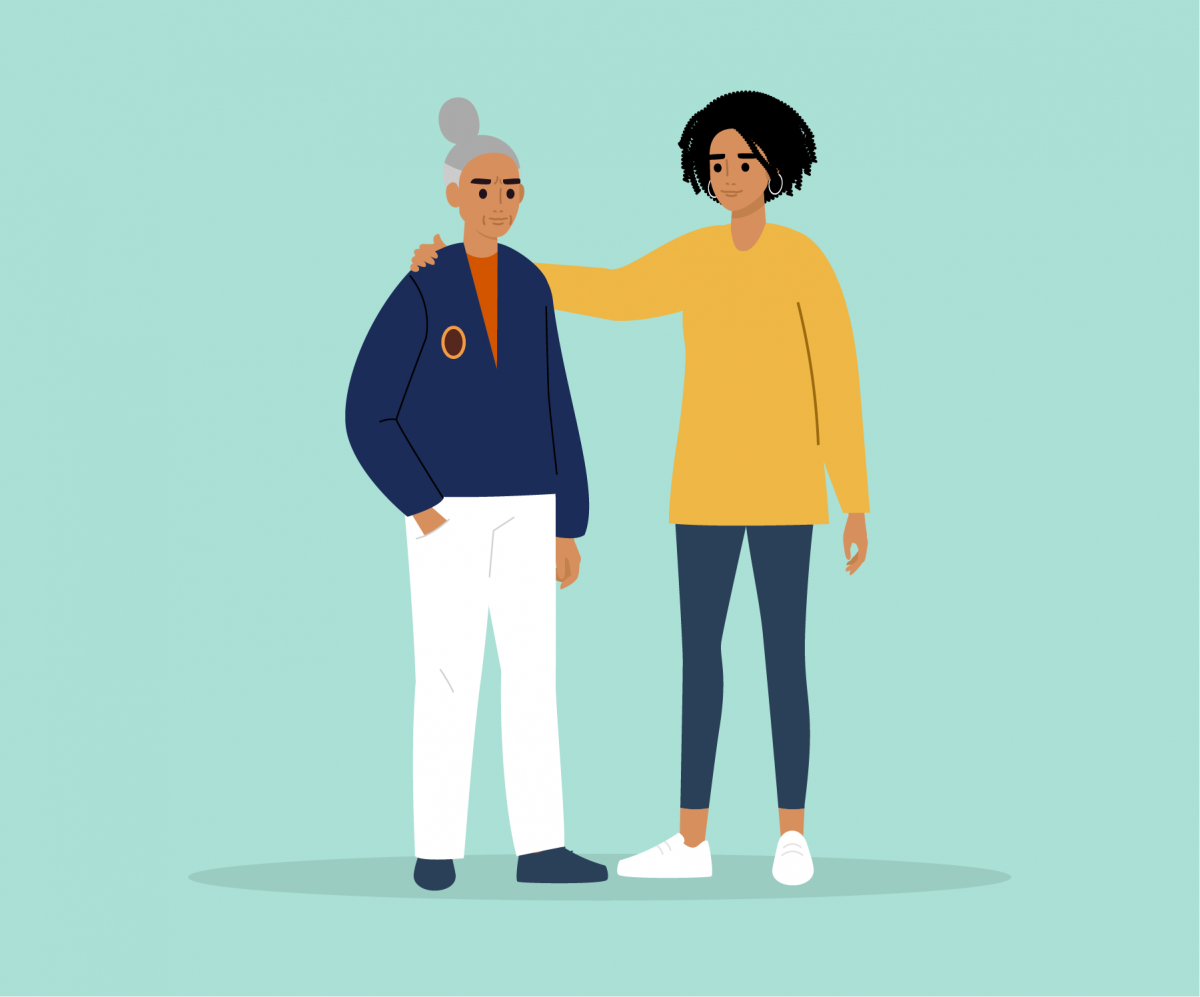
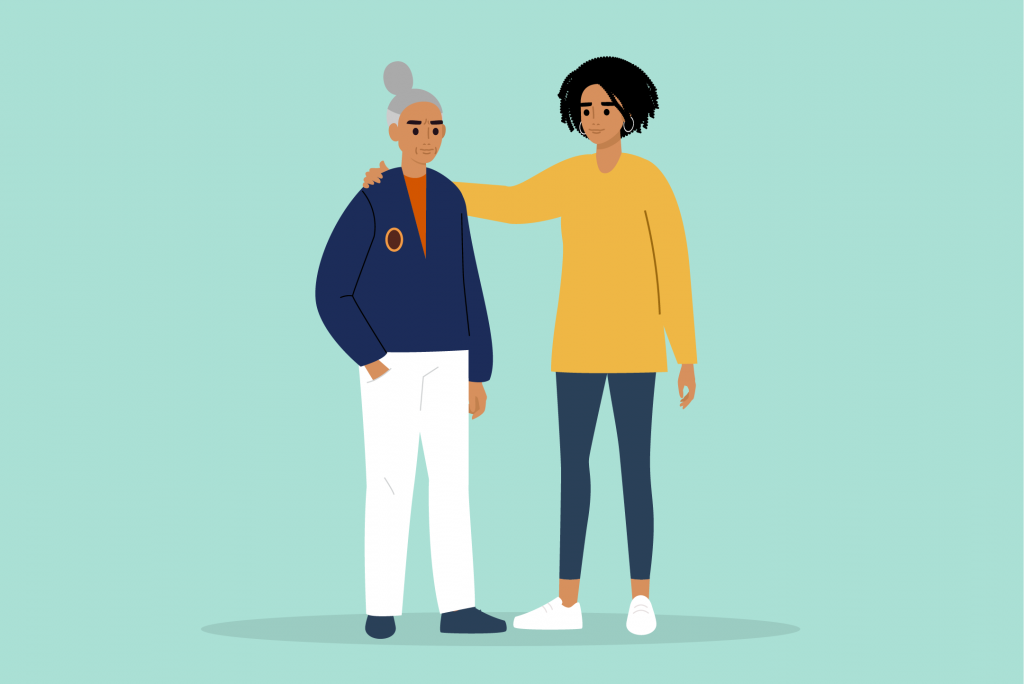
What’s the most important job for a caregiver? It’s probably not what you think. When you take on the responsibilities of caring for another person, be it a grandparent, an aging parent, a sick friend or relative, or an older disabled child, self-care must come first. To use a familiar metaphor, you need to put on your oxygen mask before helping others.  

If you are or will be a caregiver, look to your Costco benefits to support you in this crucial role. And if you have a caregiver in your life, be sure to acknowledge the hard work they do and reach out to offer help when you can.

Print

Looking for more? Find other articles below

Why self-care is important 

The rewards of caregiving are many. It can feel good to give back to someone who has cared for you. Or give you sense of satisfaction and pride knowing your loved one is well cared for. But caregiving can also put a strain on your mind and body.

The levels of stress hormones in caregivers are 23% higher in comparison to non-caregivers. 40 – 70% of caregivers experience symptoms of depression. 14% use alcohol to cope. And in one survey, over 30% of unpaid caregivers had considered suicide. 

These statistics show that it’s normal for caregivers to feel these difficult emotions. And that it’s ok to feel this way. Admitting that you’re struggling takes courage. It’s the first step in preserving and/or recovering your well-being.

How to build a boundary

You can only give quality care if you know your own needs and limitations. When these needs are unmet or demands are excessive, you might feel guilty or distressed—neither of which can help your situation. Creating boundaries is a way to lay the foundation for positive self-care habits. 

But how do you go about creating healthy boundaries? Follow these steps.

number 1

Accept your emotions, good and bad. 

When negative feelings show up, you may want to hide them. But these emotions have important underlying messages.

Anger and frustration notify you of unfair or unsustainable conditions, such as having to give care late into the night when you have to work the next day. Fear arises from uncomfortable events colliding with limited resources, such as taking on medical duties when you aren’t a trained medial professional. Resentment stems from feeling unappreciated or trapped, such as being unable to attend important social events due to your caregiving duties. Guilt displays our genuine wish to treat others well, such as wanting to be more patient with your loved one but feeling time pressure.  

Recognizing what these emotions mean can help you identify potential boundaries.

number 2

Set boundaries according to your goals.

What will help you feel better in daily life? Make a list of healthy habits or a tangible goal to work toward. Then set up and communicate your boundary to keep yourself on track. Slowly but surely, you’ll be able to construct a more sustainable lifestyle. Here are some examples to get you started.

Goal:
Exercise 2 – 3 times per week

Boundary:
“I will be going on a walk after your morning routine on days I feel up to it. I wanted to let you know that’s on my schedule, and you’re welcome to join me whenever.”

Goal:
Sleep 8 hours a night

Boundary:
“Let’s have all your nighttime needs met by 9 p. m., so I have an hour to wind down before sleep.”

Goal:
Engage in activities that you enjoy

Boundary:
“I need some time to recharge. Let’s find a window of a couple hours in the next two days when you won’t need my help, or when someone else can take over.”

number 3

Reach out to others. 

Friends, family members, physicians, therapists, community groups and online support networks may not be in your shoes, but they have the resources and are willing to listen and work with you through tough situations.  They can provide you a break and a safe space to vent. Asking someone else for help is a great gift and can strengthen both your confidence and the connection between you. 

Supportiv can quickly connect you online with other caregivers who understand. So, no matter what you’re dealing with, you won’t feel so alone. This totally anonymous service is free to Costco employees.

number 4

It’s ok to politely say no.

When asked if you can do an extra assignment or take on another duty, think about whether you can handle it. If you hesitate for a second, then you should not be picking up new tasks. Saying no to someone is not rude or mean. It demonstrates that you know your limits.

number 5

Build community outside of your caregiving relationship.

Understand that you need a wide circle of support. Build a community that’s not just family, but also people from different parts of your life, such as coworkers, neighbors, and friends old and new. Expose yourself to people who make you laugh and lift you up. There’s no room for guilt when you fill the room with people who support you.

Boundaries are meant to protect you and the person you care for, to preserve your caregiving relationship, and to create a more functional partnership. By showing the courage to value your own needs, you enhance the quality of care you provide.

It’s not always easy to ask for help. But taking care of you is the only way you can take care of others. Look to the resources below for help.

Sources:
Supportiv. The impact of caregiving on your physical and mental health. 
Supportiv. Maintaining boundaries as a caregiver: go from guilt to glow.

Categories
Articles

Learn more

emotional well-being icon

LEARN MORE

Teens, tweens and social media: the good, the bad and how to make the best of it

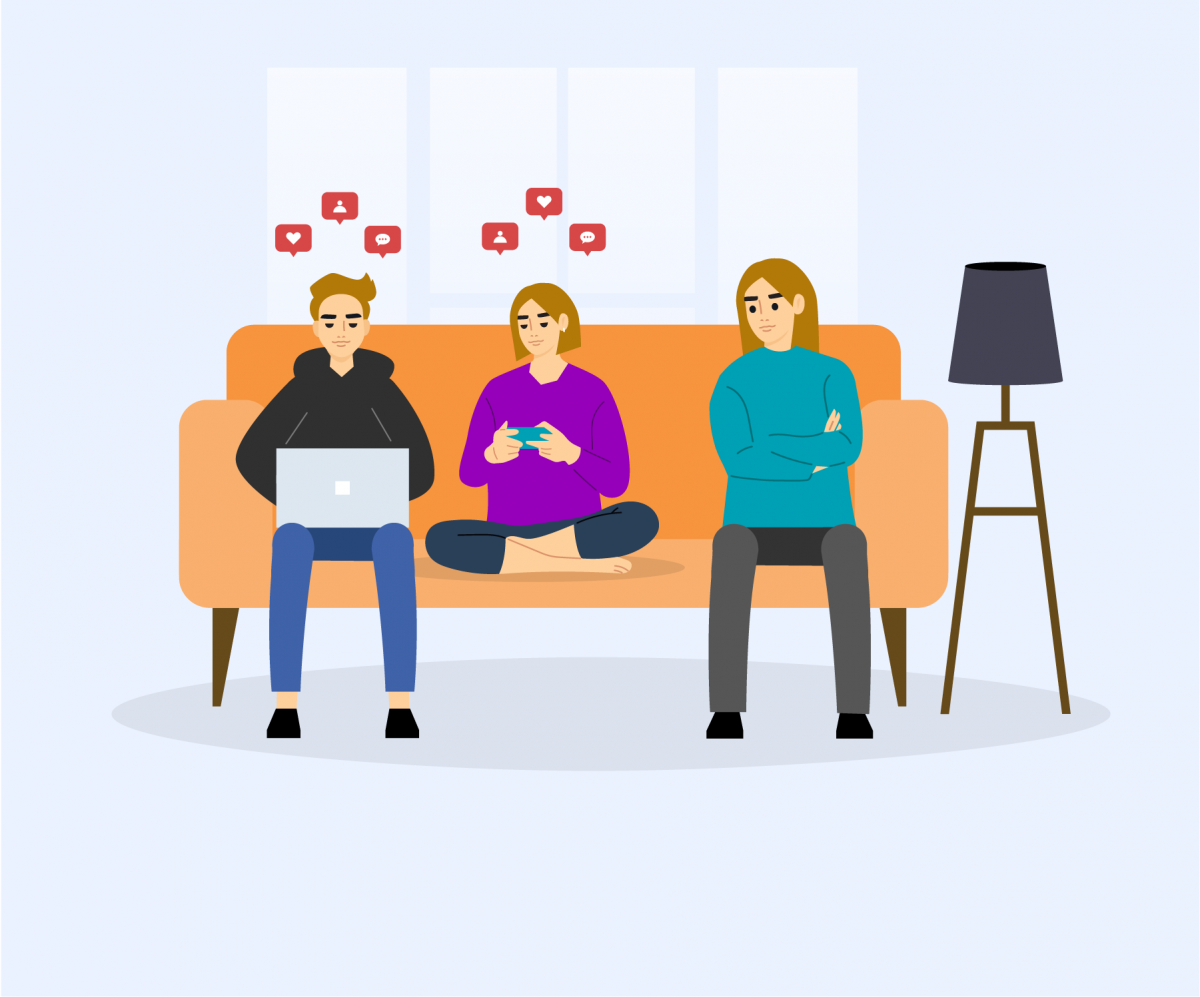
Social media has become a part of daily life for most Americans. It’s the same for teens and tweens. Up to 95% report using a social media platform, with almost a third saying they use social media “almost constantly”. 

While we’ve all read about cyberbullies and other online threats, social media can also give teens a sense of community, acceptance and belonging. This begs the question: Is social media good or bad for our teens?

Print

Looking for more? Find other articles below

The good parts

icon check

Connection

In a 2018 Pew survey, 81% of teens said that social media helped them stay connected to their friends. 69% felt it allowed them to interact with a more diverse group of people. 68% said they found people online who would support them through tough times.

icon check

Self-expression and personal growth

Social media can help teens express themselves and teach them new skills. It exposes them to more perspectives and opinions. It makes sharing information easier. And it can provide teens with support from other people with whom they have hobbies or experiences in common.

icon check

Support for mental health

Anxious teens may find connecting online easier than in-person meetings, alleviating their loneliness. Teens who belong to groups that often get marginalized may find their tribe using social media. Social media that’s humorous or distracting can help a stressed teen cope with a challenging day.

icon check

Relationship-building

Some young people use social media to “build their brand” for social, school or business ventures. From reselling clothing or crafts on sites such as Depop or Etsy, to building a following for passion projects, such as car restoration, a social media presence can be a key tool for success.

The bad parts

Highly addictive

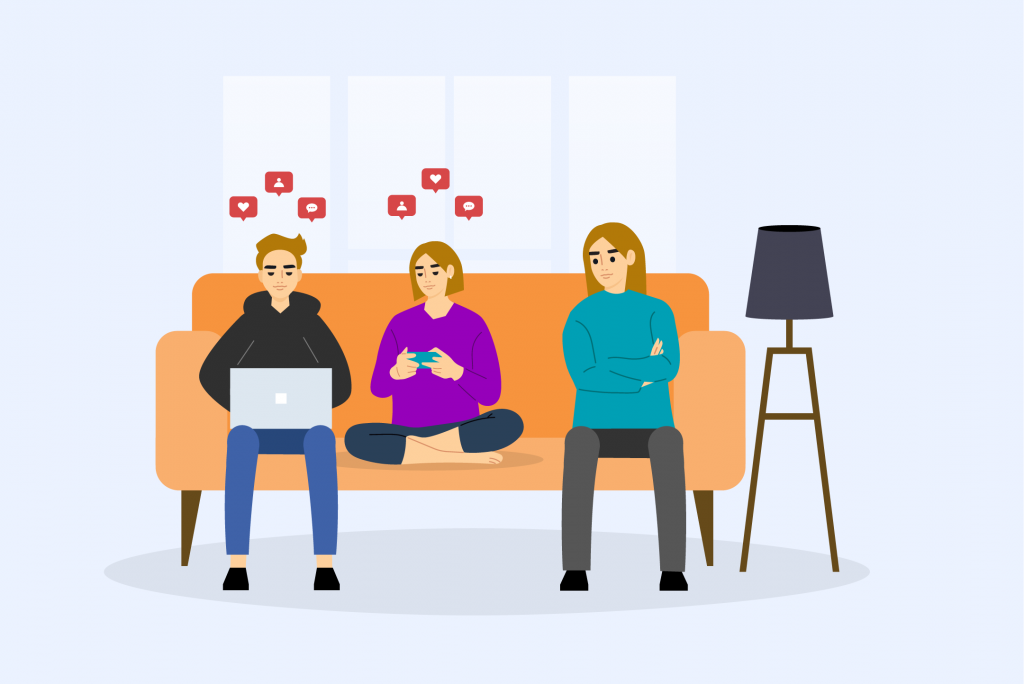
Because social media is designed to keep users coming back for more, it can be very addictive to the teenage brain. Adolescence is a period of significant brain development, making teenagers especially vulnerable to the built-in immediate gratification of shares, “likes,” comments and followers — especially since social media is always “on”.

In addition, emerging research suggests that short-form videos, such as those on TikTok and Instagram, are shortening attention spans. This can increase stress levels and interfere with school performance.

Sleep deprivation

According to the Centers for Disease Control, more than 70% of high schoolers don’t get enough sleep. Staying up late scrolling social media can contribute. Adolescents who don’t get enough sleep have a higher risk of obesity, diabetes, injuries, poor mental health and problems with attention and behavior.

Negative self-image and poor mental health

Social media is full of carefully crafted and filtered profiles. The perfect look and life of their favorite influencer can encourage teens and tweens to have unrealistic expectations. This can lead to body image concerns, eating disorders and poor self-esteem. 

Cyberbullying can be even more severe than in-person bullying. Abusive messages or images can be sent anonymously, shielding perpetrators from consequences. Plus, by posting pictures of themselves, teens may unwillingly open themselves up to vicious comments and unwanted shares. Teens may find it hard to escape this form of bullying  since rumors can spread farther, faster and be around for a long time.

In addition, the pressure to stay on top of the latest trends and opportunities can increase stress associated with FOMO (fear of missing out). Research has found that teens who spend more than three hours a day on social media face double the risk of experiencing symptoms of depression and anxiety. 

If your teen is struggling with any of these issues, Telemynd’s* expert therapists and psychiatrists offer help for sleep issues, cyberbullying, poor body image, ADHD, depression and anxiety.

Oversharing and regret

With the teenage brain, it’s common to make a choice before thinking it through. Teens might post something when they’re angry or upset and regret it later. Or share things that they’re not supposed to. This can be embarrassing and bring unwanted attention far beyond their close friend group.

5 ways to keep your teen in the good zone

So how can you try to ensure that your teen stays safe and has more positive experiences on social media? These 5 simple tips can help.

number 1

Talk about it

Check in with your teen about how social media’s working for them right now. Let them share their feelings about the time they spend on Instagram or Snapchat. Ask them what they find interesting and, if possible, suggest activities they could do to support that interest. If you’re concerned that your teens can’t control their social media use, talk about your concerns in a nonjudgmental way. Give your teens a chance to share their perspective on what they think could improve their experience.

number 2

Set a good example

It’s easy to jump on your phone to catch up on things when you get home from work. But remember, your behaviors are a model for your kids. When they’re talking to you, put your phone down. Make it a rule that everyone turns their phone off at mealtime. Be thoughtful about what you share on your own social media accounts and don’t post when you’re angry or upset. Show your kids that they control their social media use, it doesn’t control them.

number 3

Avoid toxicity

Discourage your teens from friending just anyone or engaging with people whose behavior is hurtful, demeaning or toxic. Rather than telling them who to connect with and who to avoid, share your own experiences with friends, both good and bad, to show that you can relate. Do your best to be non-judgmental and empathetic. And let your teens know they can always talk to you if they are worried about social media interactions that can be harmful to themselves or others.

number 4

Urge them to stay grounded

If your teens are seeing things on social media that make them feel like they don’t measure up, point out that not everything they see is real. The opposite is true, too — if they’re racking up likes for their social media persona, remind them that their real self is great, too. Either way, champion the idea of cultivating some screen-free time so they can stay in touch with who they are in real life.

number 5

Set boundaries

Remember, you know your kid best. If social media seems to make them feel worse, not better, about themselves, or you’re concerned about the amount of time they spend online, setting limits as a family could help. RethinkCare’s podcast Screen time, video games and social media can give you some ideas.  

If you or your tween or teen could benefit from some extra support navigating social media, ask for help. Start by learning more about the resources below.

Sources:
U.S. Department of Health and Human Services. Social media and youth mental health.
Mayo Clinic. Teens and social media: what’s the impact?
Centers for Disease Control. Sleep and health.

*Available only on the mainland.

Categories
Articles

Check it out

CHECK IT OUT

Self-care tips for dads

Fatherhood brings joy, pride—and sometimes, pressure. Many dads feel they have to do everything well, including excelling at work, being a role model to their kids, providing a safe home, ensuring financial security for their family and staying strong, both physically and mentally. 

When there’s so much focus on the family, it’s easy for dads to leave out caring for themselves. But self-care benefits everyone. Taking care of your own needs first allows you to be more present, loving, and supportive of others. 

If you want to be the best dad, grandpa, uncle, stepdad or big brother you can be, self-care is essential. And that goes beyond basic healthy habits, like eating well, exercising, getting enough sleep and staying hydrated. Get started with the tips below.  Your Costco benefits can also support your efforts with therapy, coaching, digital tools and more.

Print

Looking for more? Find other articles below

6 ways dads can practice self-care

Listen to music.

Music can raise your spirits, as it triggers the release of dopamine, the feel-good hormone. Songs from your youth can do even more. According to Psychology Today, feelings of nostalgia can offer relief from present stress and prevent loneliness. It’s also a good way to connect with your kids — they may roll their eyes at “dad’s music”, but it can become something special between the two of you. Play some Springsteen, Green Day, 90s hip hop or listen to “Thriller” again if it makes you smile.

Have a good laugh.

Laughter cools down your stress response and aids in muscle relaxation. It truly is the “best medicine.” Check out dad jokes on YouTube, rewatch your favorite over-the-top comedy, scroll through SNL sketches. For device-free laughs, talk to a funny friend or try laughter yoga (yes, this really is a thing).

Stay connected.

When you know there are people who support you no matter what you’re going through, it can improve your outlook on your life. Hanging with friends, being part of a dad’s group, or joining a peer-to-peer online support group through Supportiv can relieve stress and give you a sense of belonging and acceptance.

Go outside.

Spending time in the sunshine offers a free hit of serotonin to help improve your mood and boost feelings of happiness and well-being. Take a walk, jump on your bike, or settle down on a comfortable park bench for some mindless people watching. Aim for at least 120 minutes per week.

Pamper yourself.

Give yourself permission to take care of your appearance. Get a haircut if you’d like. Think about getting a pedicure, especially if you’re on your feet all day. Experiment with beard oil. These things can boost your mood and your confidence.

Stretch.

Not only does stretching improve your mobility and flexibility, but it can also increase your body’s level of serotonin, the hormone that reduces stress and stabilizes your mood. Add 5 – 10 minutes of stretching throughout your day for a quick pick-me-up.

Self-care isn’t selfish. By taking care of yourself, you’ll be an even better dad than you already are. Your Costco benefits are here to help.

Sources:
Healthy Dad Hacks. Self-care for dads: what it is, why needed, 14 ideas. 
Psychology Today. The psychological effects of nostalgic music.
Mayo Clinic. Stress relief from laughter? It’s no joke.

Categories
Articles

Get help

emotional well-being icon

GET HELP

Managing anxiety for kids and teens

Has your child frequently complained about feeling sick to their stomach? Does your teen seem increasingly irritable or withdrawn? Have your kids stopped doing the things they used to enjoy? These may be signs of anxiety.

Anxiety disorders are the most common childhood mental health condition, affecting 1 in 8 children.1 They are also highly treatable with the right care. Read on for information about childhood anxiety and how you can help your child build skills and resilience to manage their symptoms.

Print

Looking for more? Find other articles below

Forms of anxiety

Anxiety is a normal human response to stress, danger or a threat. But if the anxiety persists once the threat is gone or the threat never existed in the first place, it can get in the way of your child being able to live their life. This may indicate that they need help.

Anxiety can show up for kids in a lot of different scenarios, including:

  • Separating from primary caregivers
  • Social situations that can bring up fears of not fitting in or being judged or bullied
  • Worry about grades or doing well enough
  • Fear of failure or the unknown
  • Irrational, unspecified or obsessive fear
  • Worry about germs or contamination

It’s common for kids to feel anxiety on multiple fronts, such as feeling anxious about attending a class for both social and academic reasons.

Signs of anxiety

Since anxiety disorders tend to run in families, they are most likely caused by a combination of genetics and environment. Here are some signs of anxiety that occur within:

Any
age

Trouble sleeping

Low appetite

Excessive worrying or negative thoughts

Irritability 

Constantly looking for reassurance

Younger children

Headaches or stomachaches 

Having accidents at night

Returning to behaviors that they had outgrown (regression) 

Acting out 

Frequent crying 

Being clingy or fidgety 

Touching crotch area (more common in boys) 

School-age children, teens and tweens

Avoiding school and other social settings

Trouble concentrating 

Withdrawing from family and friends 

Not keeping up with personal hygiene 

Angry outbursts 

Physical symptoms: headaches, stomachaches, racing heart, muscle tension, missed periods, sweating or blushing

Short videos are available to help parents understand childhood anxiety. Watch this video for a deeper dive into the symptoms of anxiety and this video to learn more about anxiety in younger kids.

Anxiety and other mental health conditions 

Childhood anxiety often occurs along with a range of mental health conditions, including developmental differences and learning challenges. Here are some that are most common.

Anxiety and panic attacks

A panic attack is a period of intense fear and anxiety that can last minutes or hours. It may be triggered by something stressful, though many are unexpected. Panic attacks most often start in the tween or teen years and can become so severe that the child may be afraid to leave home. Symptoms can include a racing heartbeat, tightness in the chest, lightheadedness, stomach cramps, shaking legs, and fears of losing control or dying.

Anxiety and depression

Depression and anxiety disorders commonly occur together in children, even sharing some symptoms such as trouble sleeping, increased irritability, and withdrawing from friends or activities. In fact, kids who have anxiety as children are more likely to have depression as teens.

Anxiety and ADHD 

About 3 in 10 children with attention-deficit/hyperactivity disorder (ADHD) also have an anxiety disorder.2 These conditions can look very much alike in certain circumstances. Some of the symptoms of ADHD can be the same as the symptoms of anxiety. If your child is struggling, a counselor or therapist can determine how best to support your child.

What you can do

If you’re a parent or caregiver, your child’s health and well-being couldn’t be more important. Following these steps when your child’s anxiety is interfering with their normal activities can be life changing for your child and your family. 

number 1

Have calm, open conversations.

Approach conversations when your child is anxious  with empathy, compassion and honesty. It’s important to be patient as you help your child navigate solutions. Try to:

  • Validate their feelings. Let them know it’s okay to feel stressed out, worried or afraid.  
  • Model coping. Talk them through your own experiences with anxiety. For example, if talking to a neighbor made you feel anxious, let your kids know how you feel and how you’re planning to cope, maybe by drinking a glass of water and taking a walk around the block. 
  • Avoid blanket reassurances. Saying “that’s not going to happen” isn’t necessarily true. Instead, let your child know you have confidence that they can handle what they fear. 
  • Encourage your kids to give anxiety a name. Anything from Bob to Voldemort. Doing so helps create space between them and what they’re feeling. And it can make anxiety easier to talk about. Another tip: Instead of saying, “I am anxious,” reframe it as, “I’m feeling anxious.” This helps reinforce that the feeling is temporary. And it’s not a part of their identity.
number 2

Help them face their fears.

If kids have anxiety about something, they tend to avoid it. That’s true even for adults, who may find it hard to do tasks that are intimidating or overwhelming. Avoiding a task can keep kids safe in the moment, but it also reinforces the idea that they can’t do it, or they can’t tolerate their anxiety.  

While it’s natural to want to swoop in and rescue your child when they’re in distress, making a plan to approach the things that they’re afraid of will be beneficial in the long run. Over time, their anxiety will be lowered because their new learning will make them more resilient. It will reinforce the fact that they can do hard things. 

number 3

Seek professional help.

One of the best ways to treat anxiety is with counseling. Your Costco benefits offer several resources to help you help your child.

  • Telemynd* can provide quick access to therapists and medication management for children ages 5+, teens and adults if you’re enrolled in an Aetna® medical plan. Worry and anxiety are the top reasons Costco employees pursue therapy with their child.  
  • Talkspace, a program from Resources for Living, is an on-demand video chat- and text-based therapy program, available 24/7 to teens age 13+ and adults. The first six sessions are free to all Costco employees, their household members and dependent children up to age 26.

*Available only on the mainland.
**Not available in Puerto Rico.

1National Library of Medicine. Anxiety in children.
2ADDitude. Which came first: the anxiety or the ADHD?

Sources:
WebMD. Recognizing childhood depression and anxiety.
American Academy of Child & Adolescent Psychiatry. Panic disorder in children and adolescents.
The Baker Center for Children and Families. Helpful tips for parenting anxious kids and talking about anxiety.

Check out the resources below to get the support your family needs — much of it at no cost to you.