
Categories
Articles

1 min read

1 MIN READ

3 ways to build community and reduce stress

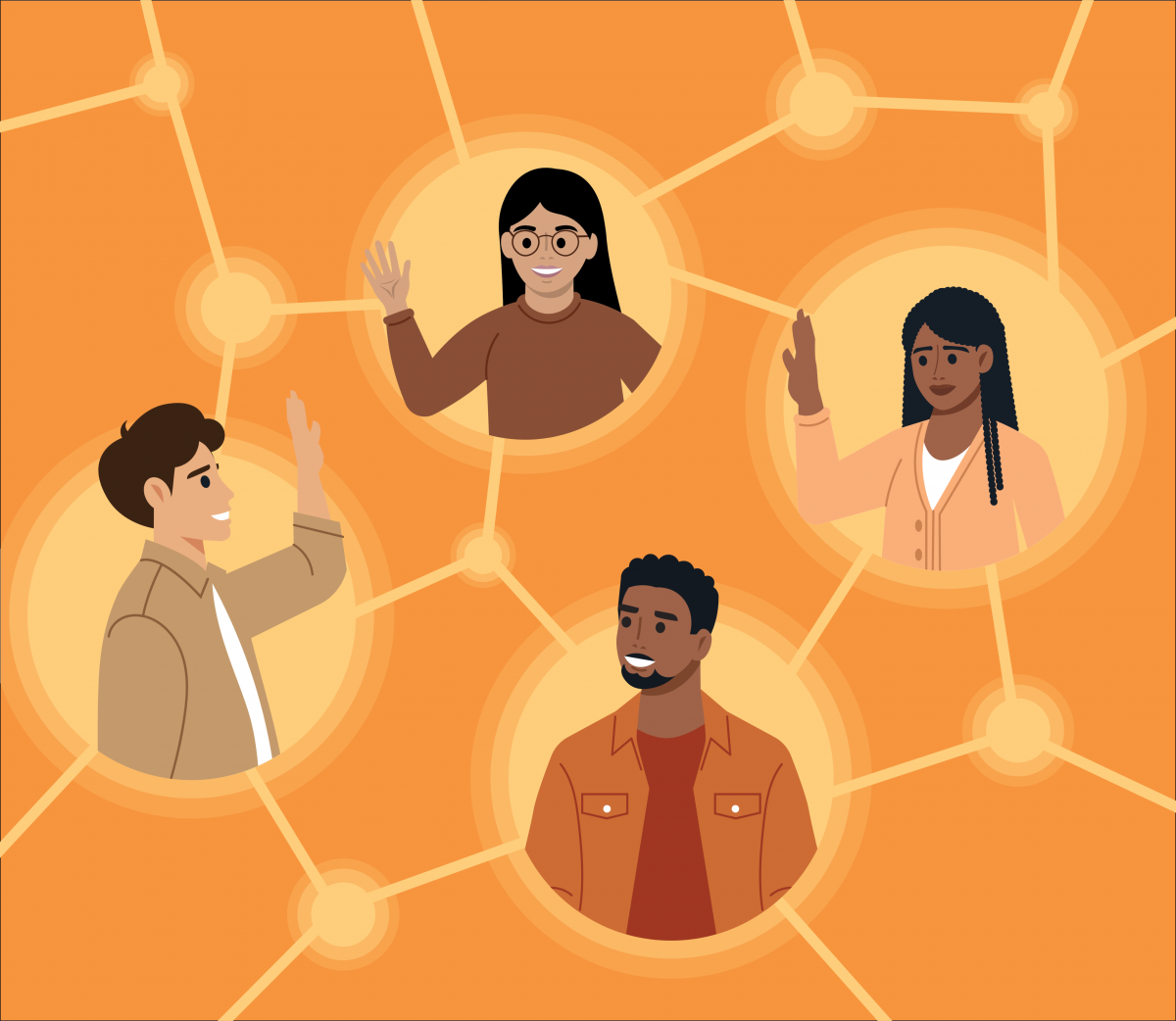
Feeling connected to others can help lower stress and improve your well-being. When you’re stressed, your body releases a hormone called cortisol. Too much cortisol can make you feel worse over time. But spending time with people you trust can help your body release oxytocin, a hormone which helps lowers cortisol and helps you feel better.

Print

Looking for more? Find other articles below
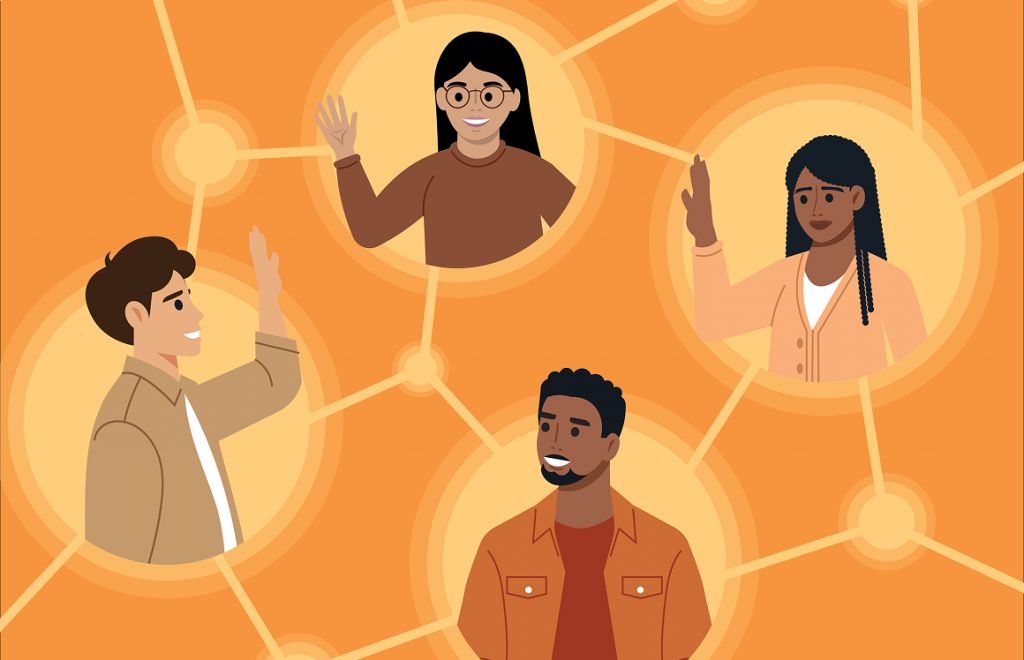
Here are 3 ways to build more community:


  • Find common bonds. Look for groups or people you relate to — whether you’re into classic cars, Dungeons & Dragons, or bird watching. When you feel like you belong, it’s easier to make connections, open up and feel supported.
  • Choose what feels right for you. Some people feel most supported by a few close friends. Others enjoy connecting with lots of people. What matters most is finding what’s comforting and authentic to you. Try not to compare the size of your circle to anyone else’s. The most important thing is feeling safe, supported and cared for in the friendships you have.
  • Connect in whatever way works. You don’t have to meet in person to feel close, especially around the holidays. Try a phone call while walking or a virtual catch-up with a loved one who’s far away. Or meet new people through online fitness communities, virtual book clubs or even gaming platforms. Digital connections still count.
Looking for a supportive space to connect, reduce stress and work on your health goals? WeightWatchers offers in-person workshops and 24/7 chat — plus exclusive discounts for Costco employees and your families.

Categories
Articles

2 min read

2 MIN READ

Loneliness: It’s not just you 

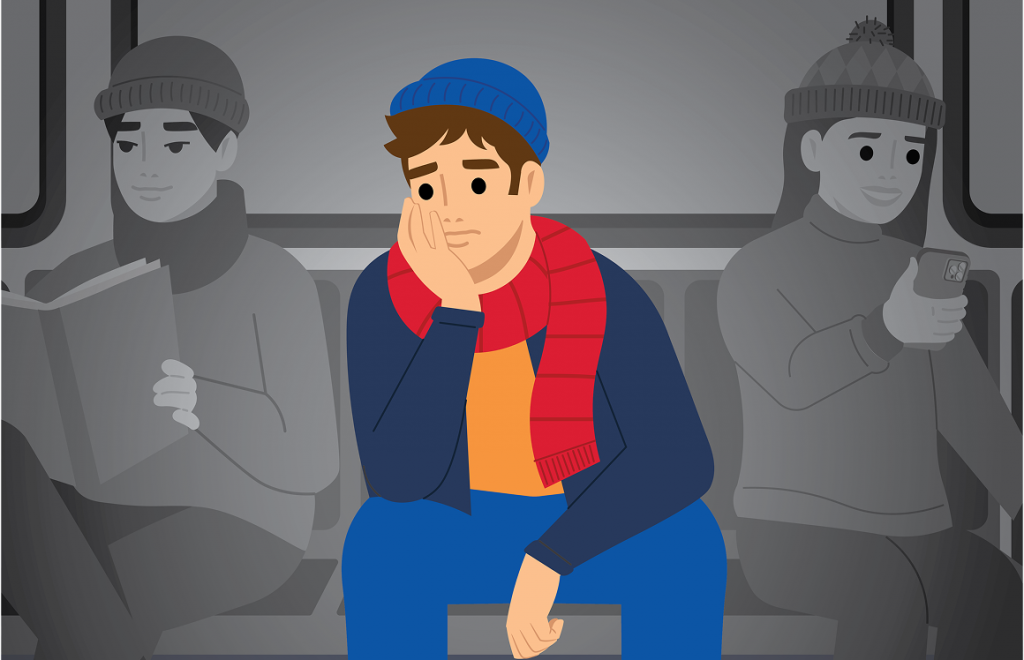
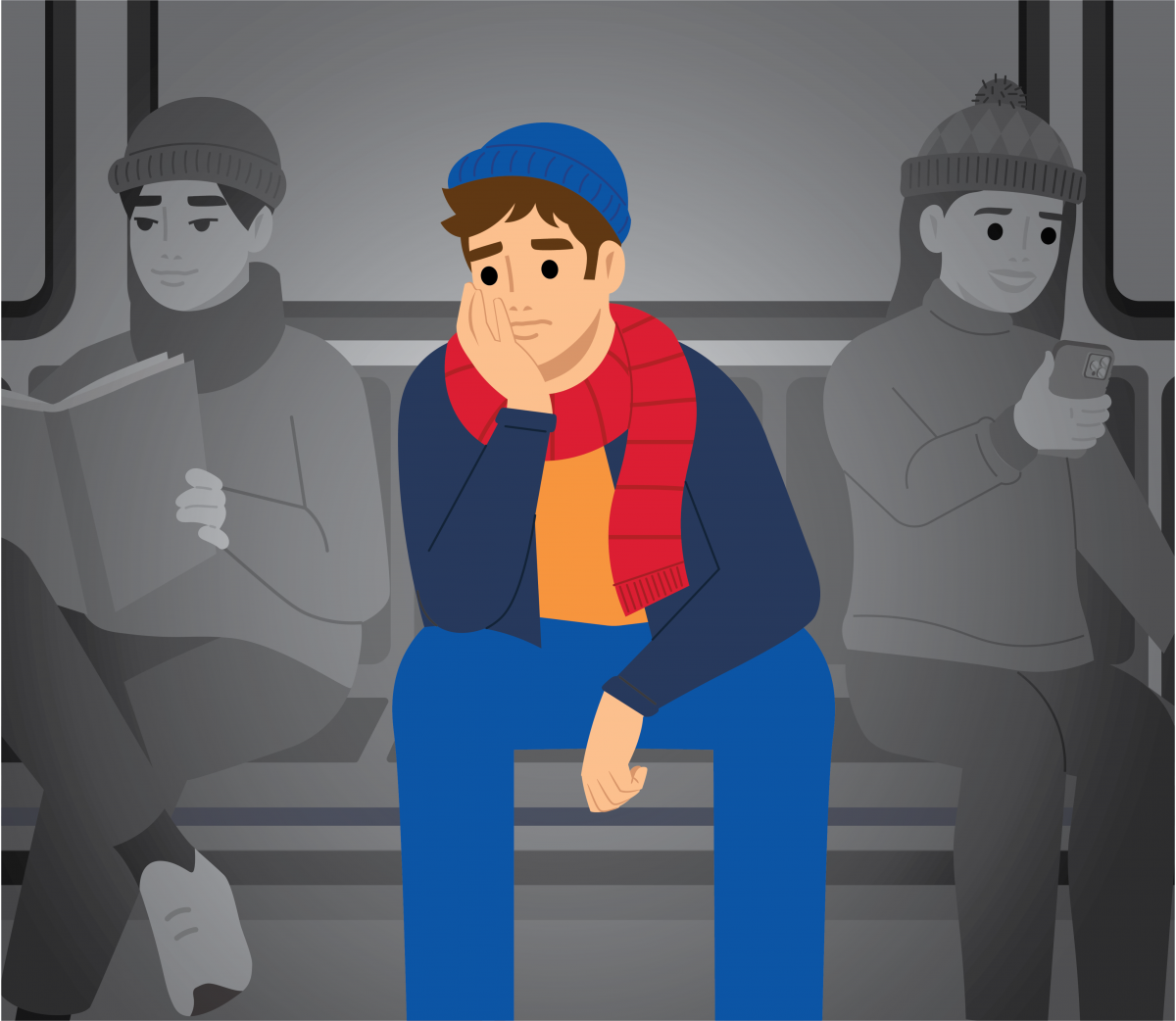
Feeling lonely? You’re not alone. In fact, 3 out of 4 Americans say they feel lonely1 — even if they don’t talk about it.

Loneliness isn’t just about being alone. It’s about feeling disconnected, even when others are around. And it can take a toll on your health.

People who feel connected tend to feel better, both mentally and physically. Those who don’t are more likely to feel sick, stressed or down.

That’s why your social well-being — feeling supported, understood and part of something — matters just as much as your physical, emotional and financial health.

Print

Looking for more? Find other articles below

Ways to feel more connected

Stepping away from screens and spending time with people face-to-face can help reduce feelings of loneliness. Social media often highlights only the best moments — the fun, the exciting, the new — not the full story. That can make it easy to feel left out. Here are some small steps to help build connections:

  • Call or text a friend just to check in.
  • Say yes to a walk, coffee or lunch with someone.
  • Volunteer for a cause you care about.
  • Spend time with coworkers outside of work.
  • Share how you’re feeling with someone you trust.
  • Limit time on social media and focus on real conversations.
  • Set a goal to talk to one new person each week.
If reaching out feels hard right now, try Supportiv. It’s anonymous, peer-to-peer chat support with trained moderators, and it’s available 24/7/365.

Feeling worse in winter? It could be seasonal depression

Some people feel more tired, sad or withdrawn when the days get shorter. This could be seasonal affective disorder, or SAD. It’s a type of depression linked to changes in daylight, and it can last for several months.2

You can take steps at home to support your mental health, like:

  • Spending time outside during the day even if it’s cloudy
  • Getting better sleep
  • Eating well-balanced meals
  • Exercising
  • Staying connected with loved ones through phone or video calls, especially if you’re not able to spend time with them over the holidays
  • Taking a trip somewhere sunny

If those don’t help, talk to a doctor. They may recommend using a SAD sunlight therapy lamp to help ease your symptoms. Counseling, vitamin D, and medication can also help.

Need a little extra support? Resources for Living® is here for you. This free, confidential service offers help with anxiety, depression, relationship issues and other challenges.

Source(s):

1 Loneliness: It’s not just you

2 Seasonal affective disorder awareness

Categories
Articles

3 min read

3 MIN READ

Do’s and don’ts of making friends

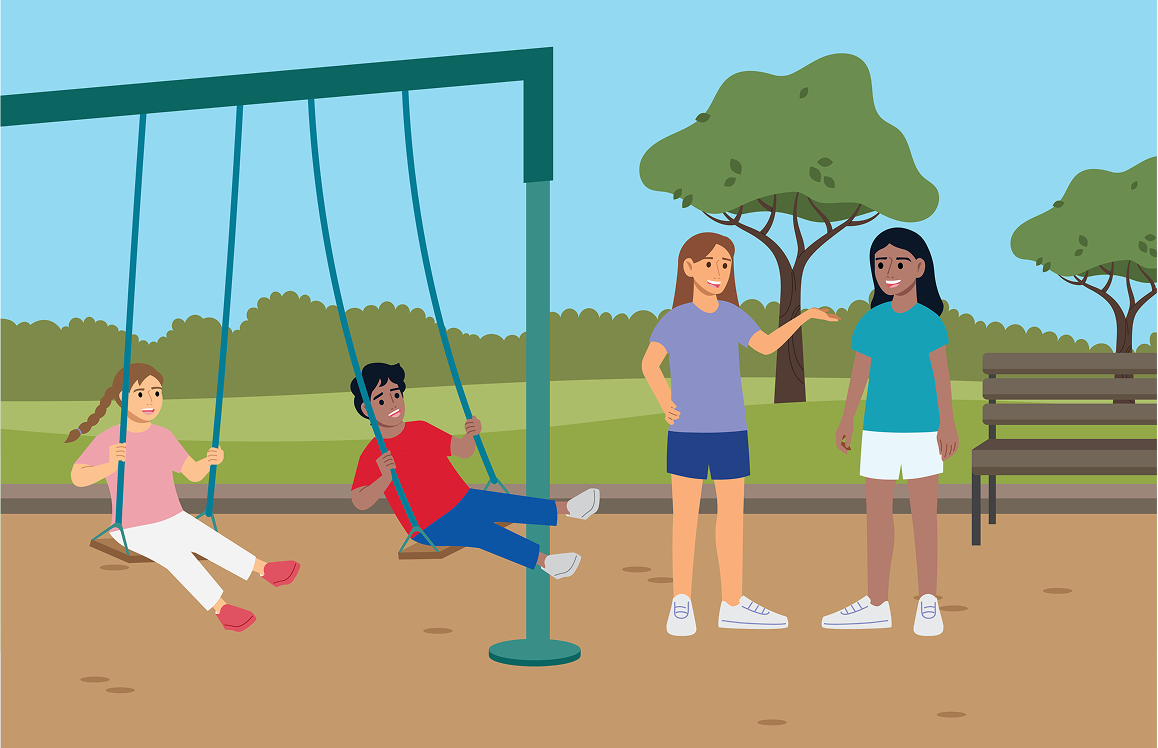
Friends are a big part of feeling happy and supported in life for both kids and adults. For kids especially, having friends can improve their quality of life and how well they do at school. Friendships can also help them adjust to changes more easily.1 Talk with your kids about how to be a good friend — and how to recognize who is a good friend.

Print

Looking for more? Find other articles below

A good friend:2

  • Listens: They care about what you have to say or want to do.
  • Supports: They’re there for you when you’re sad or having a hard time.
  • Respects: They treat you kindly and don’t try to hurt your feelings.
  • Shares interests: You have fun together and like the same things.

Here are signs someone isn’t a good friend:

  • It feels one-sided: They don’t think about what you like to do or how you feel.
  • They make you feel bad: If they put you down or treat you differently around certain people, it’s a red flag.
  • They’re mean or bossy: A good friend won’t be unkind or controlling.

How to set boundaries:

Boundaries help protect what you are and aren’t comfortable with. Here are some tips:

  • Say no: It’s okay to say no to things that make you uncomfortable.
  • Speak up: If someone hurts your feelings, tell them.
  • Choose your friends wisely: Spend time with people who make you feel good about yourself.

Tips for parents:

  • Talk openly: Have regular conversations about friendships and feelings.
  • Model good behavior: Show how to be a good friend by being one yourself.
  • Encourage self-reflection: Help your child be aware of what they like and don’t like in a friend.

Are you or your kids having a hard time?

Some phases of life aren’t easy for us or our kids. It could be an adjustment to a new job or school year. Or maybe navigating tough dynamics with a co-worker or friend. Lean into your benefits for help to get through it. See below for resources that support making friends and healthy relationships.

1Exchange Family Center. The benefits of early childhood friendships and 3 tips for helping your child establish meaningful friendships.
2Cleveland Clinic. Social skills 101: How to help your child make friends.