Categories
Articles

Take Action

TAKE ACTION

Why is the flu shot important?

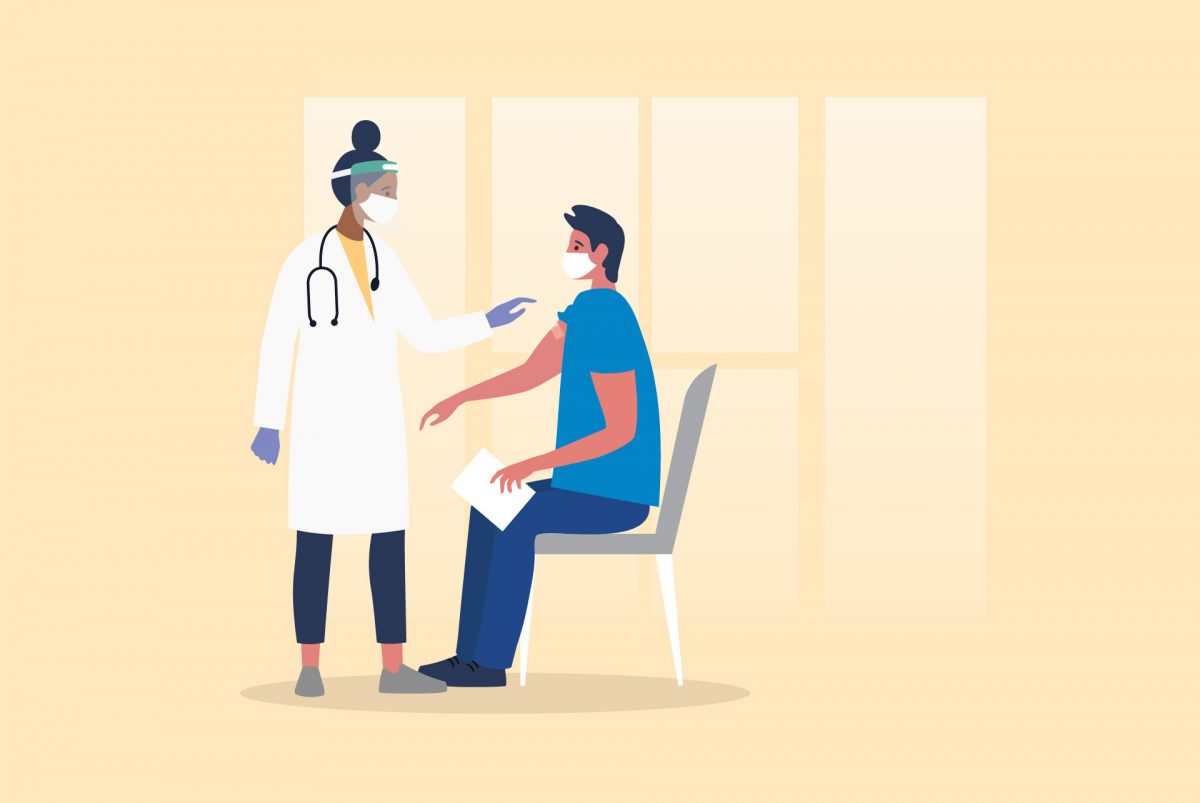
Flu season is well underway. If you haven’t already gotten your annual flu shot, now is the time to get it. Flu shots are available — at no cost to you — at any Costco pharmacy. If you don’t have a Costco pharmacy within 25 miles, you can also get a free flu shot from an in-network provider. 

Print

Looking for more? Find other articles below
flu shot


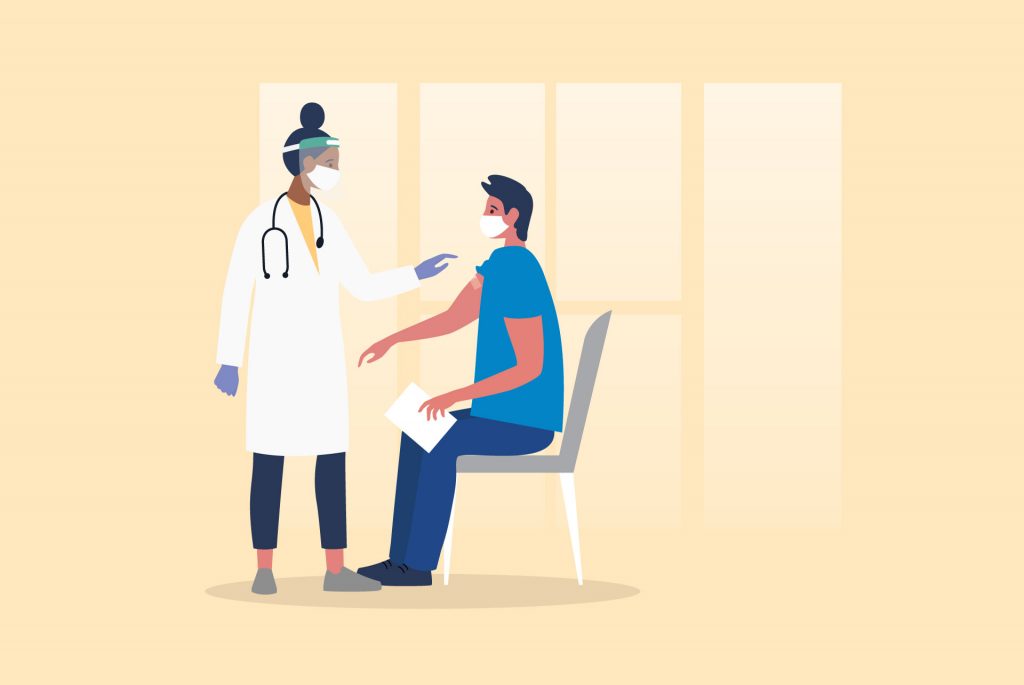
Getting vaccinated will help protect you from the discomfort and potential complications of the influenza (flu) virus. It will also help keep your family, friends and co-workers safe and healthy during flu season. 
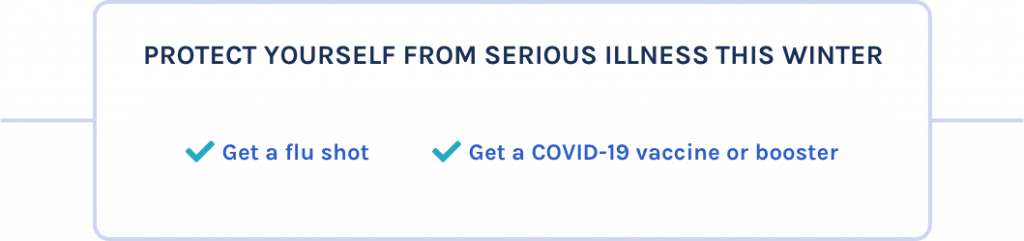
Protect yourself from serious illness this winter: get a flu shot; get a COVID-19 vaccine or booster

Influenza (the flu) is a respiratory infection that can cause serious complications, particularly in young children, older adults and people with certain medical conditions. Getting the vaccine — though not 100% effective — is the best way to prevent the misery of the flu and its complications.  

. . .

The Centers for Disease Control and Prevention (CDC) recommends annual flu vaccines for everyone age 6 months or older.1 

. . .

This year’s flu shot will offer protection against four of the influenza viruses expected to be in circulation this flu season. High-dose flu vaccines will be available for adults age 65 and older.  

It takes up to two weeks to build immunity after a flu shot. But you can benefit from the vaccine even if you don’t get it until after the flu season starts.  

Still not convinced you should get a flu shot?

Take a look at these five common myths about the flu and flu shots.  

#1. Flu shots can cause the flu. 

The flu shot is made from an inactivated flu virus. It cannot make you sick. 

#2. Flu shots don’t work. 

Studies show that the flu shot reduces the risk of getting the flu by 40–60%. 

#3. Flu shot side effects are worse than the flu itself.

The flu shot can cause side effects — mild aches, fatigue, headache or fever. The flu can cause serious illness lasting days or weeks. 

#4. Healthy people don’t die from the flu. 

Influenza (the flu) is a serious disease that can lead to hospitalization and death, even in healthy people.

#5. I never get the flu, so I don’t need to be vaccinated.

Being fortunate in the past doesn’t mean you’ll be so lucky this year. 

Who needs the flu vaccine?

The flu vaccine is especially important for people at high risk for complications, including:  

  • Pregnant women 
  • Older adults 
  • Young children 
  • People with weakened immune systems  

Chronic medical conditions also can increase your risk for complications from the flu. Examples include:  

  • Asthma 
  • Cancer or cancer treatment 
  • Chronic obstructive pulmonary disease (COPD)  
  • Heart disease 
  • Cystic fibrosis 
  • Diabetes 
  • Brain or nervous system conditions 
  • HIV/AIDS 
  • Kidney or liver disease 
  • Obesity  

Anyone with a chronic medical condition or living in a nursing or other long-term care facility should also get the flu vaccine.  

1Centers for Disease Control and Prevention (CDC). Influenza vaccination: a summary for clinicians.  Accessed October 5, 2021.  

Source: Mayoclinic.org. Flu shot: Your best bet for avoiding influenza. Accessed October 5, 2021.  


Vaccinations are an important way to help you and your family stay healthy. We’re here to support you with these and other resources you need for your well-being journey. 
Categories
Recipes

Be prepared at home

TAKE ACTION

Be prepared with a home first aid kit

Not every scraped knee or sprained wrist is an emergency, but some
injuries can become more serious if not treated swiftly at home.
That’s why a well-stocked first aid kit is the first line of defense for
both minor and major health issues.

Print

Looking for more? Find other articles below

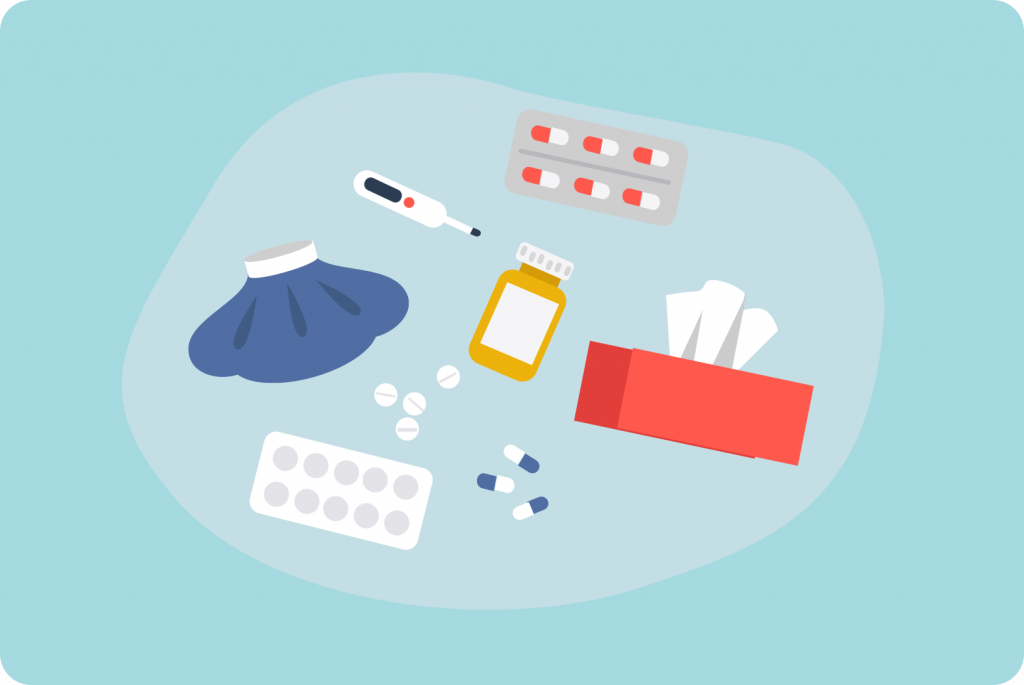
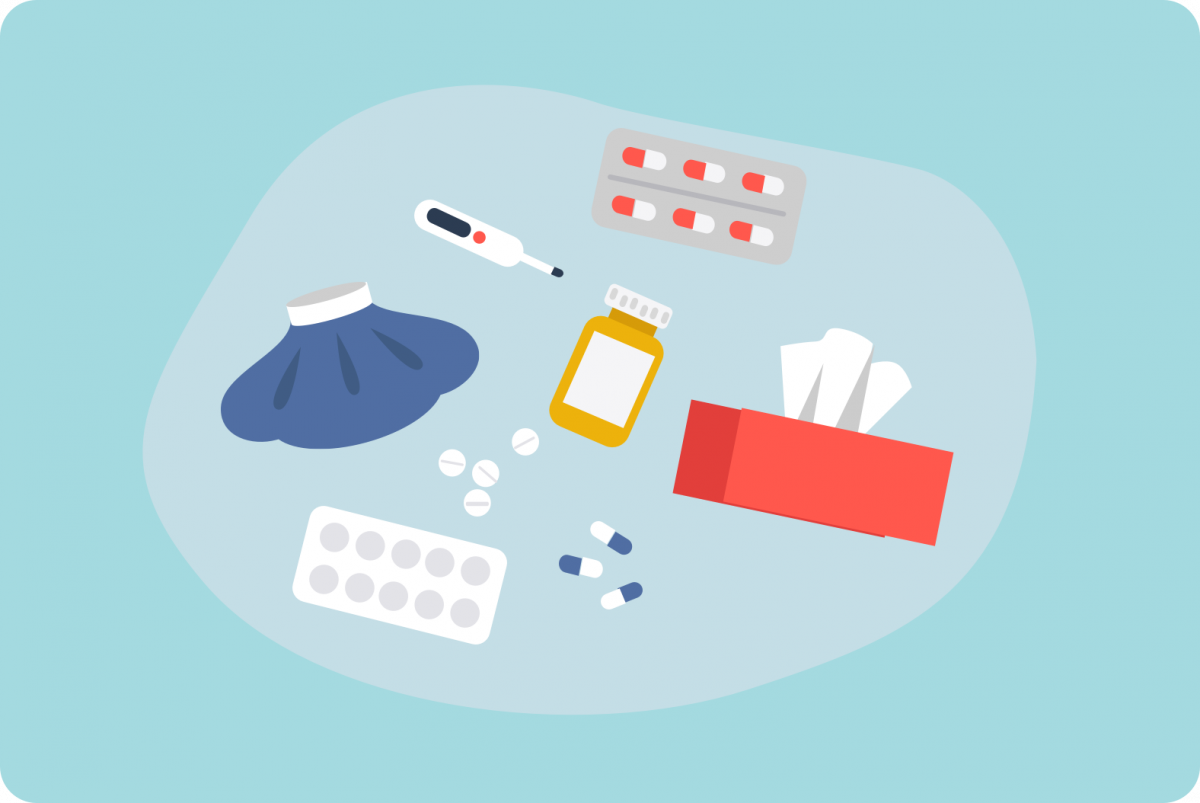
You can create a home first aid kit yourself, or purchase any of the kits sold at Costco. Remember to include prescribed medications and emergency phone numbers, and to check the kit regularly for expired medications. Tip: Keep a good thing going by assembling kits for specific activities — like camping or hiking — and for your car.

The American Red Cross recommends that a first aid kit for a family of four includes the following:

  • 2 absorbent compress dressings (5 x 9 inches)
  • 25 adhesive bandages (assorted sizes)
  • 1 adhesive cloth tape (10 yards x 1 inch)
  • 5 antibiotic ointment packets (1 gram each)
  • 5 antiseptic wipe packets
  • 2 packets of aspirin (81 mg each)
  • 1 emergency blanket
  • 1 instant cold compress
  • 2 hydrocortisone ointment packets
  • (1 gram each)
  • 2 pairs non-latex gloves (size L)
  • 1 3-inch gauze roll (roller) bandage
  • 1 roller bandage (4 inches wide)
  • 5 sterile gauze pads (3 x 3 inches)
  • 5 sterile gauze pads (4 x 4 inches)
  • Oral thermometer (non-mercury/non-glass)
  • 2 triangular bandages
  • Tweezers
  • Emergency First Aid guide
Categories
Articles

Take action

TAKE ACTION

Reduce your risk for diabetes

You may know that type 2 diabetes is when your blood sugar (blood glucose) is too high. But what’s prediabetes? This is when your blood sugar is higher than normal, which puts you at risk for type 2 diabetes. Keep in mind that prediabetes is still a serious condition that needs special attention.

According to the Centers for Disease Control and Prevention, more than 1 out of 3 adults in the United States have prediabetes. And yet, most of them don’t know they have it.¹

Print

Looking for more? Find other articles below

Lifestyle changes are key

The good news is that there are things you can do to help prevent type 2 diabetes or delay its onset. These include making lifestyle changes to help you keep your blood sugar levels under control. You can get started by making these part of your daily life:

  • Managing your weight
  • Making healthy food choices
  • Staying physically active

Get your body up and moving

Regular exercise is one of the most important things you can do to help prevent type 2 diabetes or delay its onset. Here are some tips to get you started:

Talk with your doctor
You may need to have a medical exam before you start an exercise program.

Make it a priority
Do moderate to intense activity for at least 30 minutes a day, 5 times a week.

Be consistent
Don’t go more than two days without being active. Keep the habit going strong.

Get creative
Why not take the stairs? Or park your car farther away? Instead of sit-down meetings, have walking meetings. Stay active whenever you can.

Build it in
Pick part of your schedule and pin an activity to it. If you’re busy, you can exercise in 10-minute intervals. Every bit helps.

Know that everyone is different
What works for one person may not work for another. Just do what you need to do to help yourself succeed.

1Centers for Disease Control and Prevention. Prediabetes: your chance to prevent type 2 diabetes. May 30, 2019. Available at: cdc.gov/diabetes/basics/prediabetes.html. Accessed June 13, 2019.