


2 MIN READ
DECEMBER 2025
Loneliness: It’s not just you
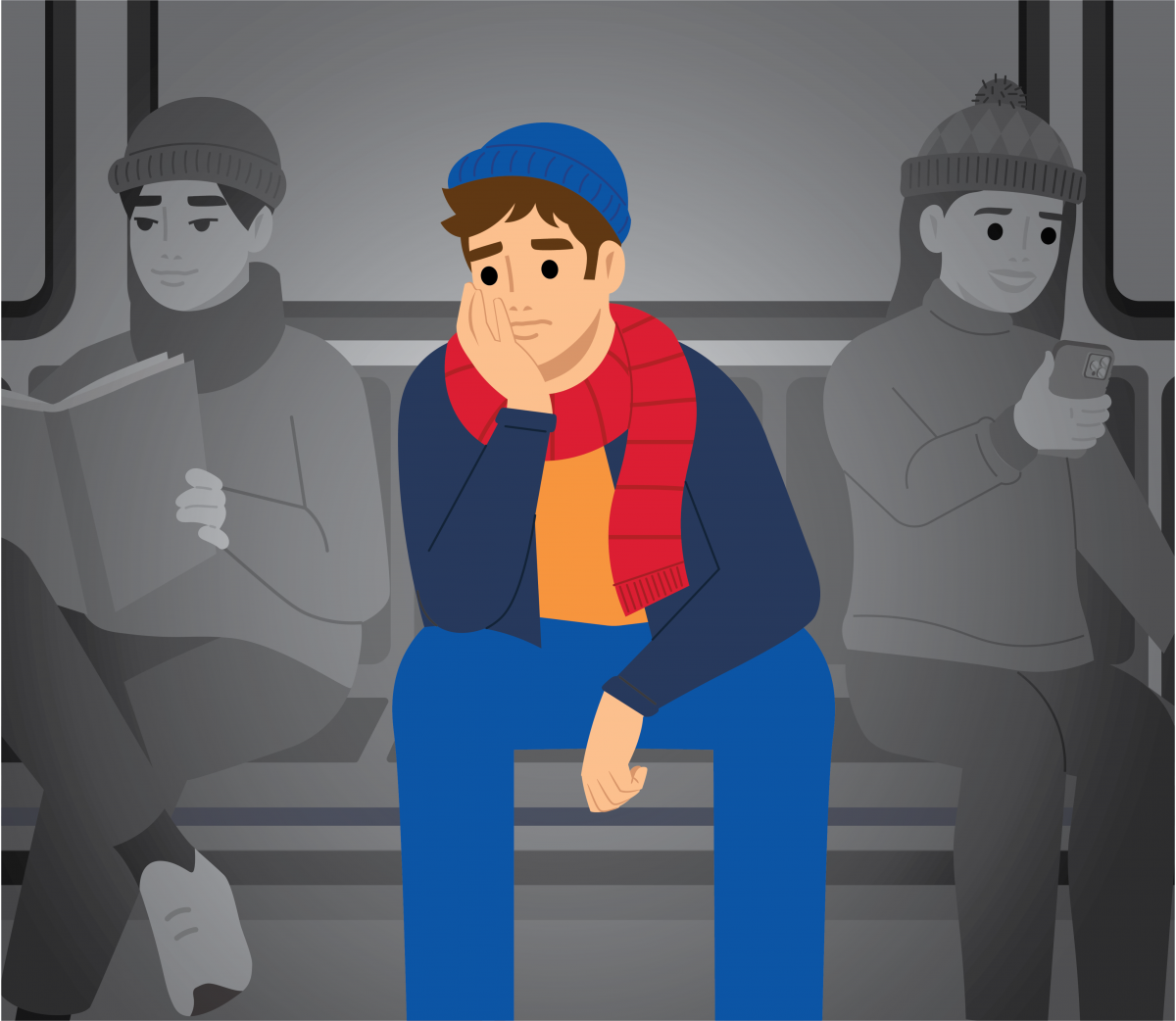
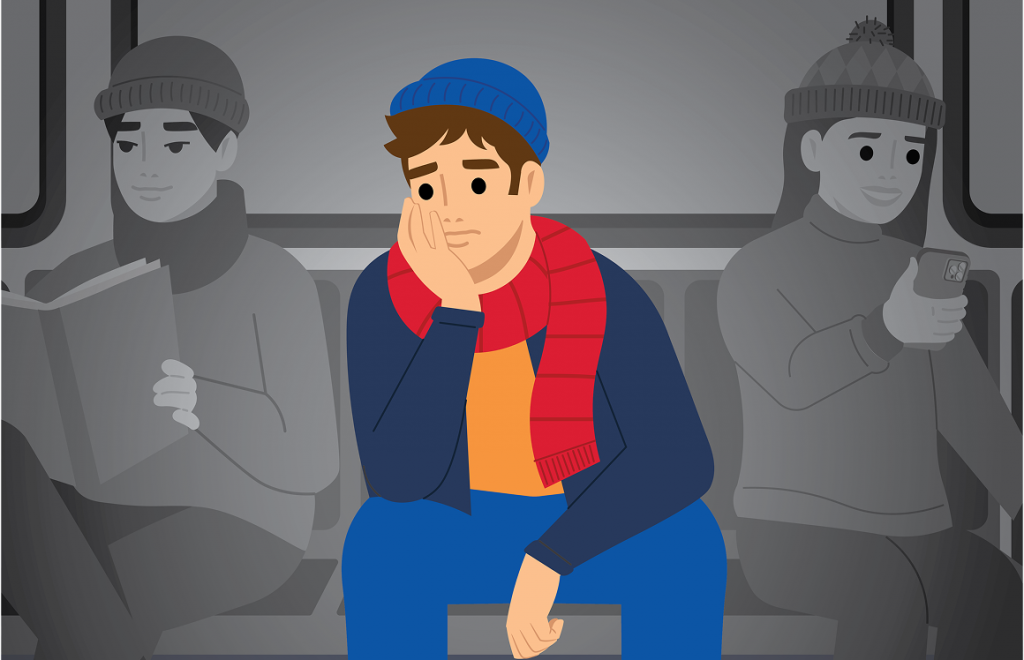
Feeling lonely? You’re not alone. In fact, 3 out of 4 Americans say they feel lonely1 — even if they don’t talk about it.
Loneliness isn’t just about being alone. It’s about feeling disconnected, even when others are around. And it can take a toll on your health.
People who feel connected tend to feel better, both mentally and physically. Those who don’t are more likely to feel sick, stressed or down.
That’s why your social well-being — feeling supported, understood and part of something — matters just as much as your physical, emotional and financial health.
Looking for more? Find other articles below
Ways to feel more connected
Stepping away from screens and spending time with people face-to-face can help reduce feelings of loneliness. Social media often highlights only the best moments — the fun, the exciting, the new — not the full story. That can make it easy to feel left out. Here are some small steps to help build connections:- Call or text a friend just to check in.
- Say yes to a walk, coffee or lunch with someone.
- Volunteer for a cause you care about.
- Spend time with coworkers outside of work.
- Share how you’re feeling with someone you trust.
- Limit time on social media and focus on real conversations.
- Set a goal to talk to one new person each week.
Feeling worse in winter? It could be seasonal depression
Some people feel more tired, sad or withdrawn when the days get shorter. This could be seasonal affective disorder, or SAD. It’s a type of depression linked to changes in daylight, and it can last for several months.2
You can take steps at home to support your mental health, like:
- Spending time outside during the day even if it’s cloudy
- Getting better sleep
- Eating well-balanced meals
- Exercising
- Staying connected with loved ones through phone or video calls, especially if you’re not able to spend time with them over the holidays
- Taking a trip somewhere sunny
If those don’t help, talk to a doctor. They may recommend using a SAD sunlight therapy lamp to help ease your symptoms. Counseling, vitamin D, and medication can also help.
Need a little extra support? Resources for Living® is here for you. This free, confidential service offers help with anxiety, depression, relationship issues and other challenges.
Source(s):