Categories
7 min listen

 Costco Benefits

OCTOBER 2025
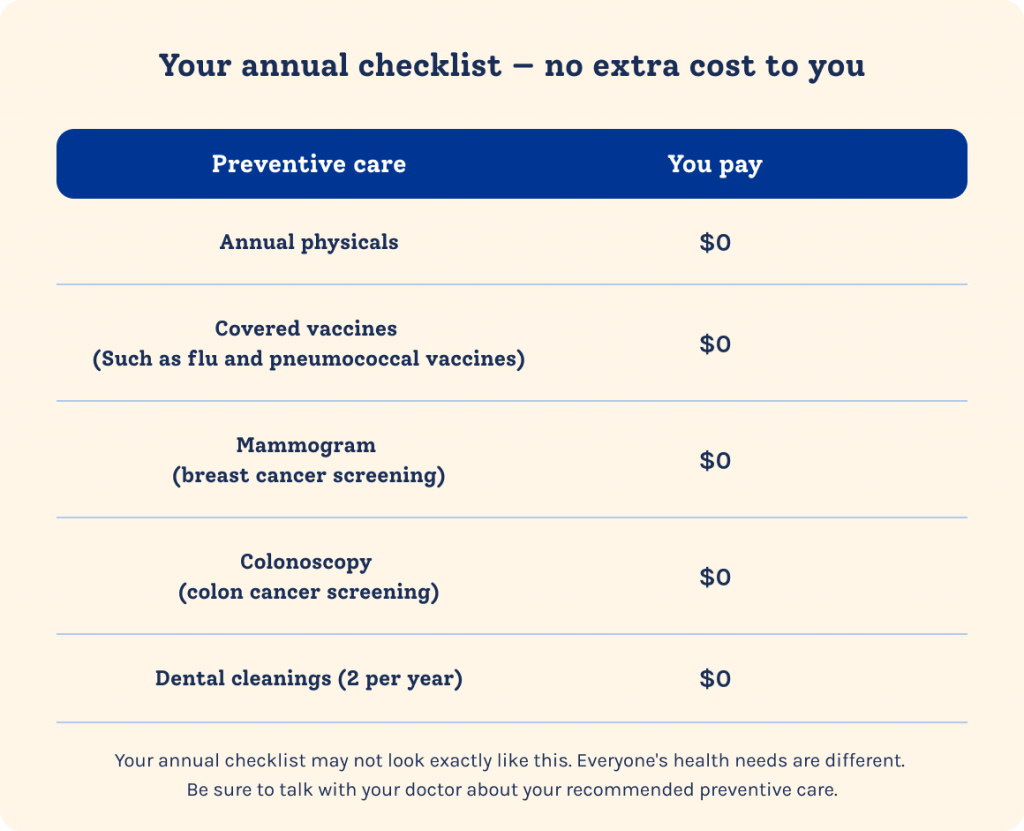
Don’t miss out on your no-cost preventive care — there’s still time to get it before year-end. It’s 100% covered by your medical plan when you see in-network providers. Plus, you can earn a credit toward your medical deductible and coinsurance, after getting your first dental cleaning of the year. So it’s good for your health — and your wallet. And don’t forget to spend any funds left in your Health Care Reimbursement Account. Only $660 can be rolled over from 2025 to spend in 2026. You can use them on dental and vision expenses.
Looking for more? Find other articles below
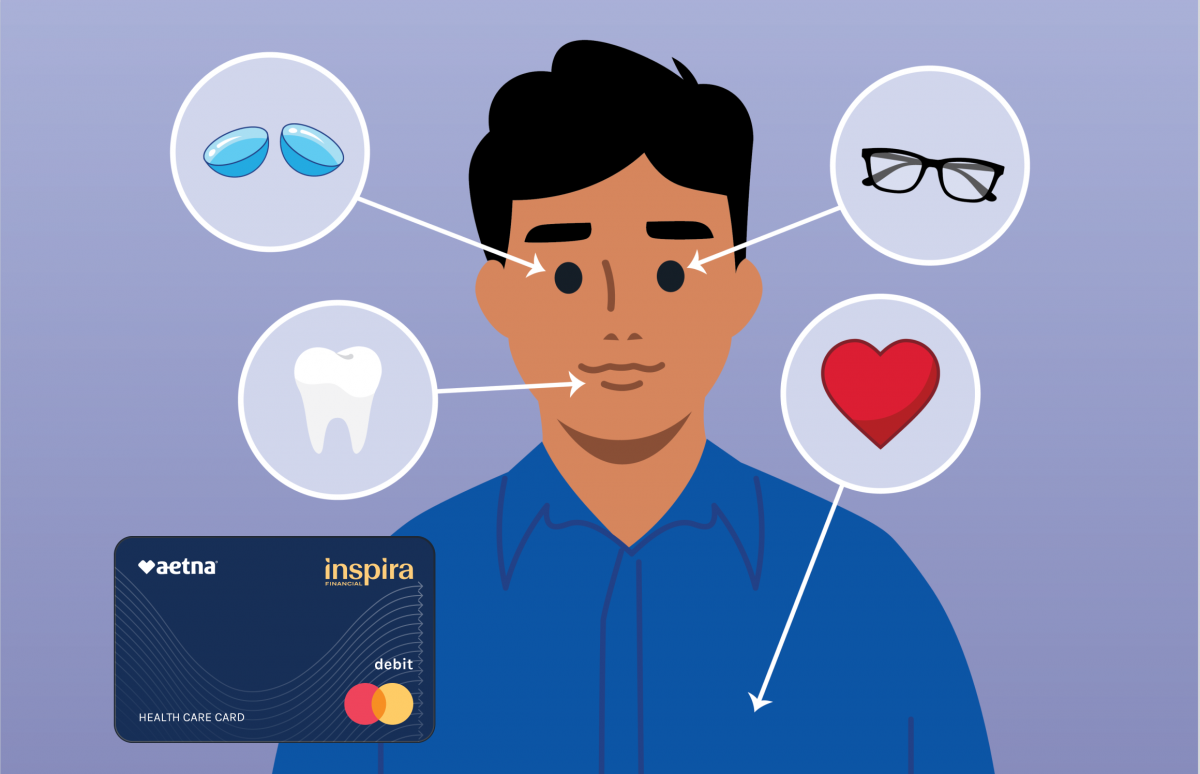
Regular dental exams and cleanings don’t just protect your mouth and teeth. They can also help you save money down the line by catching issues early. Treating gum disease early may even prevent heart disease.1
Your first dental cleaning puts money back in your pocket. Every person enrolled in your plan (including you) can earn $50 toward your shared deductible and coinsurance after their first dental cleaning of the year. So, if you’re a family of 4, that adds up to $200.
An eye exam is like seeing into the future. It checks for conditions such as dry eye, cataracts and glaucoma. It can also catch the early signs of serious health conditions such as diabetes, high blood pressure, heart disease and more — so you can get treated now.

A PCP gets to know you and your medical history, and they can tailor care or treatment plans to your needs. Plus, having a PCP may reduce your risk of an ER visit by 19%.
Browse your plan’s provider network to find an in-network PCP who’s right for you. Or head to Costcobenefits.com > Health & Wellness > I Want To > Find a Doctor to get started. You may see a few different options for a PCP, like a family or general practitioner, pediatrician (doctor for kids) or an internist (doctor of internal medicine). On the mainland, you can also choose an Ob/Gyn (doctor for women).
Source(s): 1Cureus. The relationship between periodontitis, gingivitis, smoking, missing teeth, endodontic infections, aortic aneurysm, and coronary artery disease: The 10-year results of 25 patients.
OCTOBER 2025
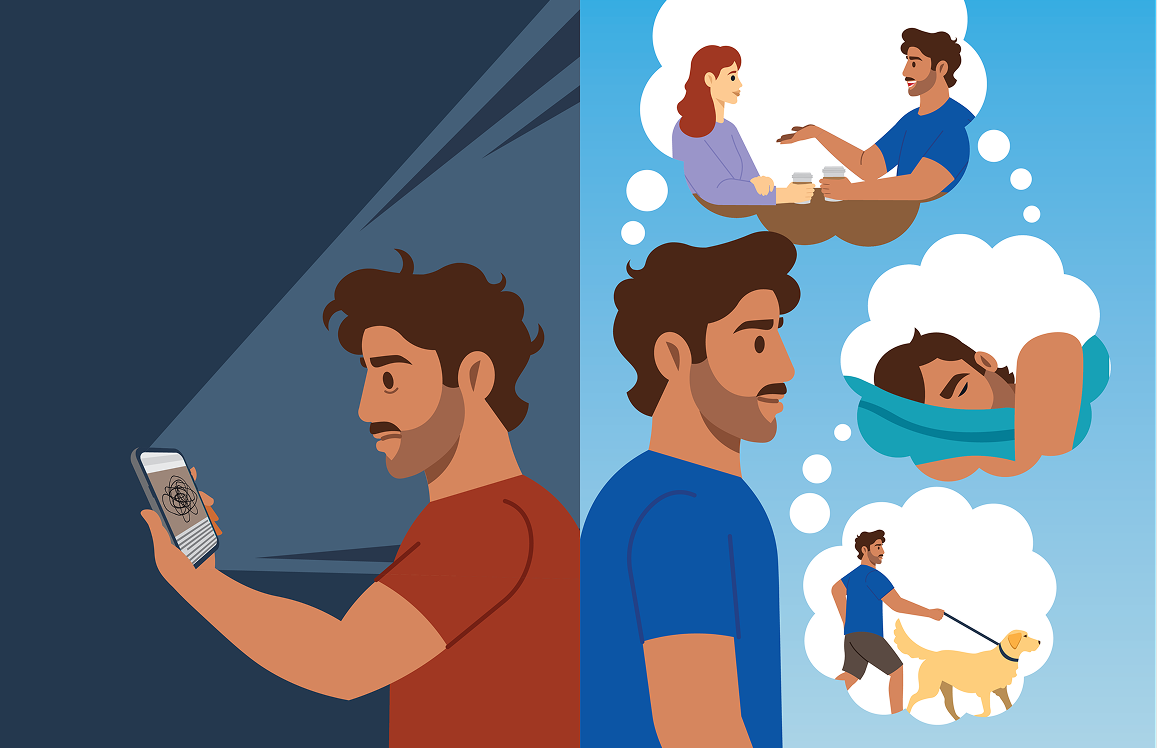
Have you ever heard the term “doomscrolling”? It’s when someone spends lots of time taking in info on a screen. While originally referring to negative news articles, it also applies to social platforms such as TikTok, Instagram, Facebook or Reddit. Anyone can fall into the trap of spending too much time on their phone.
Looking for more? Find other articles below
Ever had a great idea come to you in the shower? They’re always there; they just need the chance to surface. Aside from the mental health benefits, less scrolling allows you to be bored. And being bored is like pressing reset on your brain1 — it gives you the space to be more creative.
Unplugging doesn’t mean you have to stare at a wall. Here are some ways to fill your time while giving your brain a break:
Below are benefits and resources that can help with addiction to social media. And they might be able to help you find other things to do instead.
Sources:
1Mayo Clinic. Boost your brain with boredom.
2Sutter Health. Screens and your sleep. Put down your phone before bed to improve sleep.

OCTOBER 2025
Giving back doesn’t only do good — it feels good, too. One way Costco employees help is by taking part in the Workplace Giving Campaign. Together, employees have raised over $468 million for more than 50,000 charities of their choice. Whether you’ve ever given $1 or $1,000, you’ve made a difference.
Looking for more? Find other articles below
Show transcript
Most people face money struggles at one point or another. And the upcoming holiday season can be especially tough between shopping for gifts, booking trips home or even hosting your own celebration. The Ramsey Show found that 78% of Americans have a hard time saving money. But if giving back to those in need is important to you, money isn’t the only way to do it. Here are other ways to give back to your community or causes:
If you’re trying to improve your own finances, try SmartDollar®. It’s free to all Costco employees. Explore self-guided options such as videos or work one-on-one with a financial coach. Every action you take today — whether it’s putting $5 into a savings account or spending 3 hours helping a charity — can lead to a better tomorrow.
OCTOBER 2025
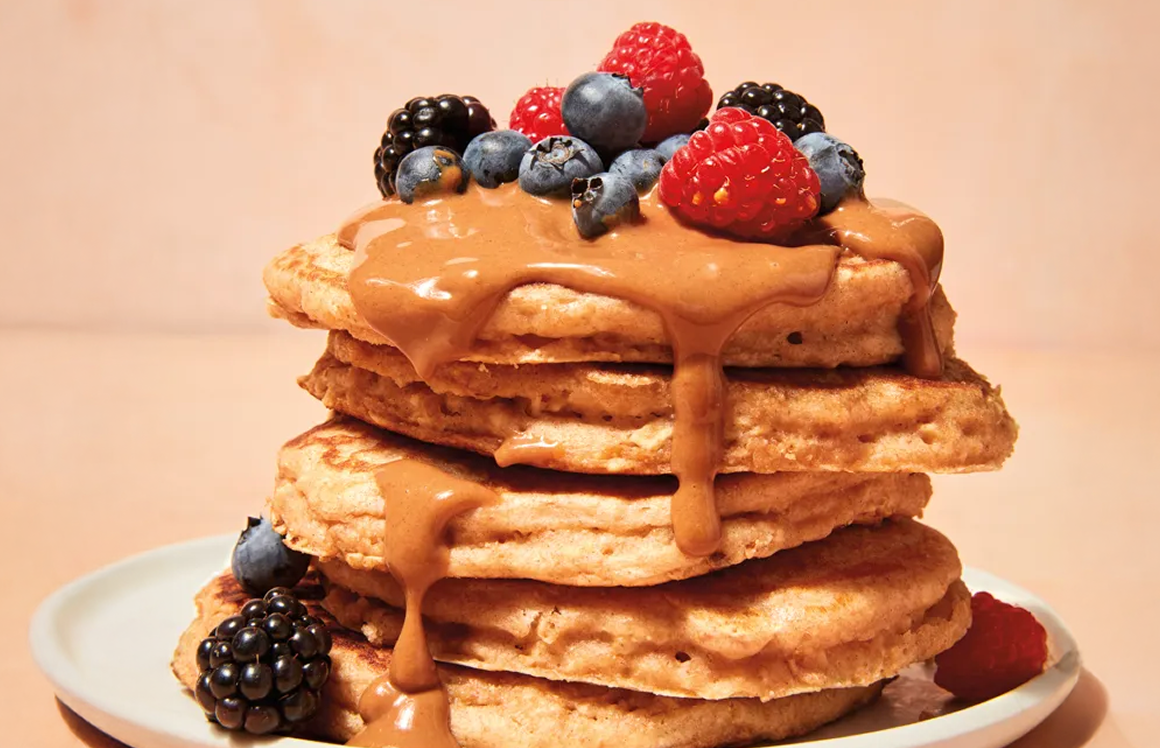
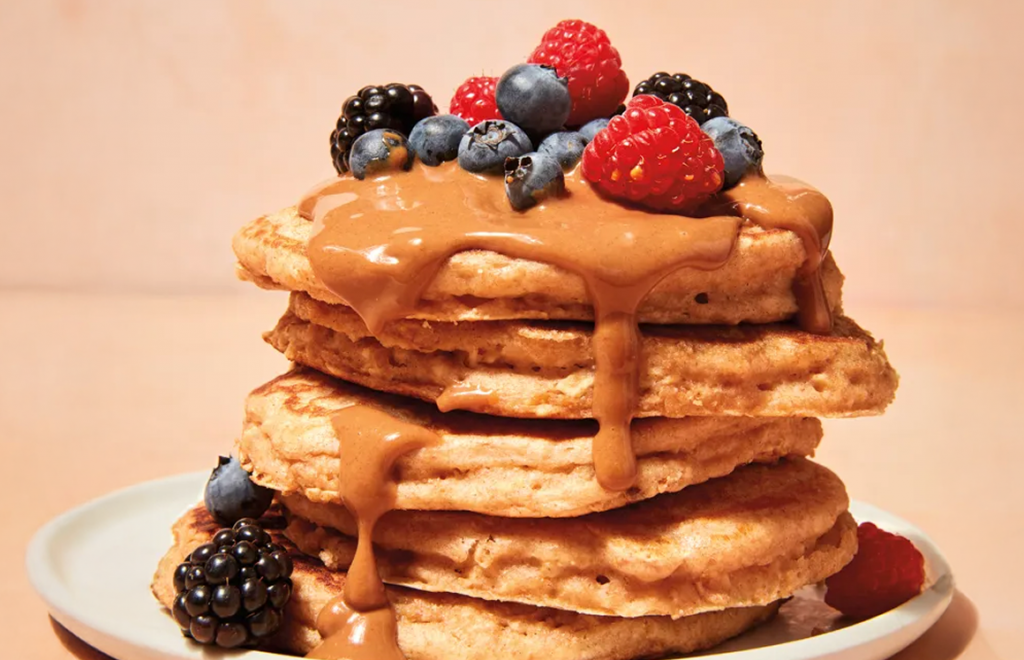
Oats add texture and flavor to these fiber-filled pancakes, topped with almonds and maple syrup. Serve with berries for extra color and sweetness.
Looking for more? Find other articles below
4 sprays cooking spray
1/2 cup unsweetened powdered almond butter
2 1/2 tbsp. maple syrup (divided)
3/8 tsp. salt (divided)
1 cup whole-wheat flour
1/2 cup quick cooking rolled oats
2 tsp. baking powder
1/2 tsp. ground cinnamon
1/4 tsp. baking soda
1 large egg
1 1/3 cup low-fat buttermilk
1 tbsp. canola oil
In a small bowl, whisk the almond butter, 2 tbsp. maple syrup, 1/8 tsp. salt and 1/2 cup water. If the mixture is too thick to pour, whisk in another 1 to 2 tsp. of water.
In a large bowl, whisk the flour, oats, baking powder, cinnamon, baking soda and remaining 1/4 tsp. salt to combine. In a medium bowl, whisk the egg, buttermilk, oil and remaining 1/2 tbsp. maple syrup until smooth. Add the buttermilk mixture to the flour mixture and gently stir just until combined.
Coat a large nonstick griddle or nonstick skillet with cooking spray and heat on medium. Scoop the batter onto the griddle or pan by scant 1/4 cupfuls to form 6 pancakes. Cook until the bottoms of the pancakes are browned, 3 to 4 minutes. Then flip the pancakes and cook the other side. Transfer the pancakes to a plate. Repeat with the remaining batter to make a total of 12 pancakes. Serve with the almond topping.
Serving size: 3 pancakes and about 3 tbsp. topping | Calories: 305 | Total fat: 9 g | Saturated fat: 1 g | Sodium: 681 mg | Total carbohydrates: 45 g | Sugar: 13 g | Fiber: 6 g | Protein: 15 g
Source: WeightWatchers
Looking for more healthy recipes? With the WeightWatchers® program and award-winning app, you can lose weight, eat healthier, move more and develop a more positive mindset. All Costco employees age 18+ get an exclusive discount off the retail price and can join for as low as $9 per month. Sign up at WW.com/Costco or call 866-204-2885.

OCTOBER 2025
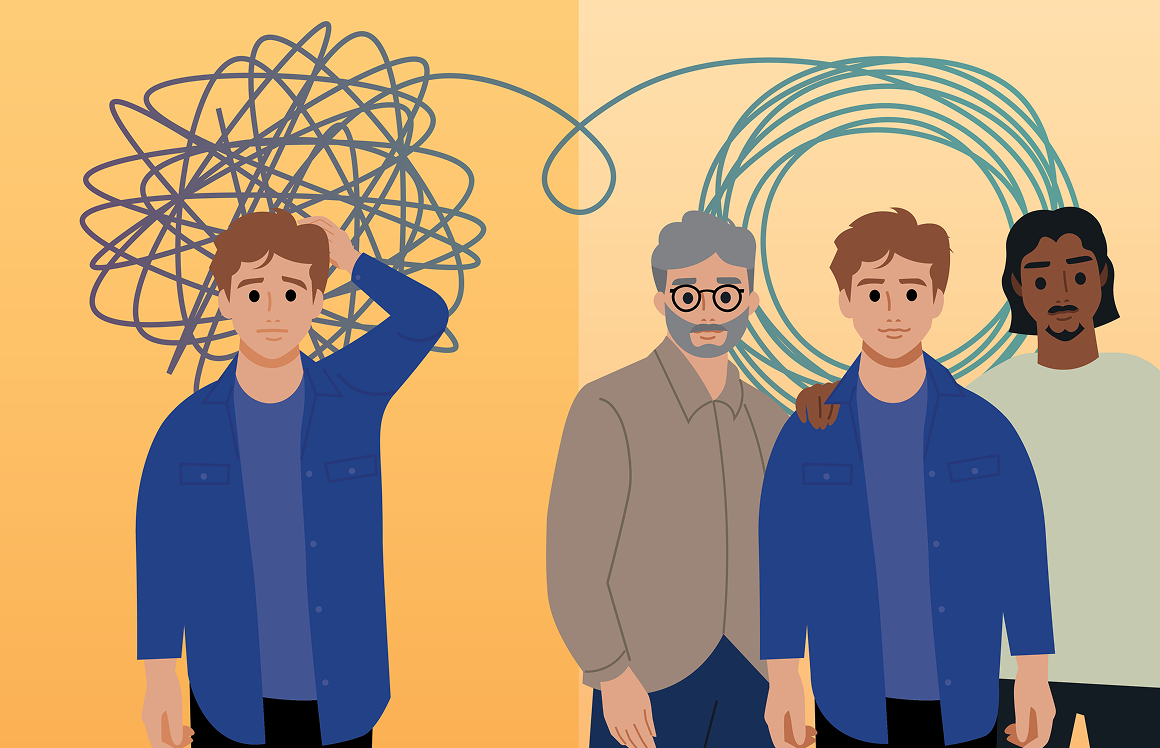
Have you ever done something for a friend — mostly because you didn’t want to let them down? Or said yes to a partner when you really wanted to say no? It’s not always easy to set boundaries. Especially if you’re someone who’s used to helping others or putting their needs first. But what if we told you that healthy boundaries help you be a better friend or partner?
Looking for more? Find other articles below

Cultural norms, generational differences and family dynamics often teach us that saying no is selfish or disrespectful. When your life or work centers around service to others, it may be even more challenging to set boundaries without guilt. And if you struggle with low self-esteem, you might feel like you don’t deserve to say no. But each no is a yes to your priorities and well-being.
Learn how to set healthy boundaries with the support of Resources for Living, your employee assistance program. Get free, confidential mental health support through RFL. In your counseling sessions with a mental health provider, you can learn tools to build confidence and navigate conflict.
Here are 5 self-reminders to help you stick to your boundaries:
SEPTEMBER 2025
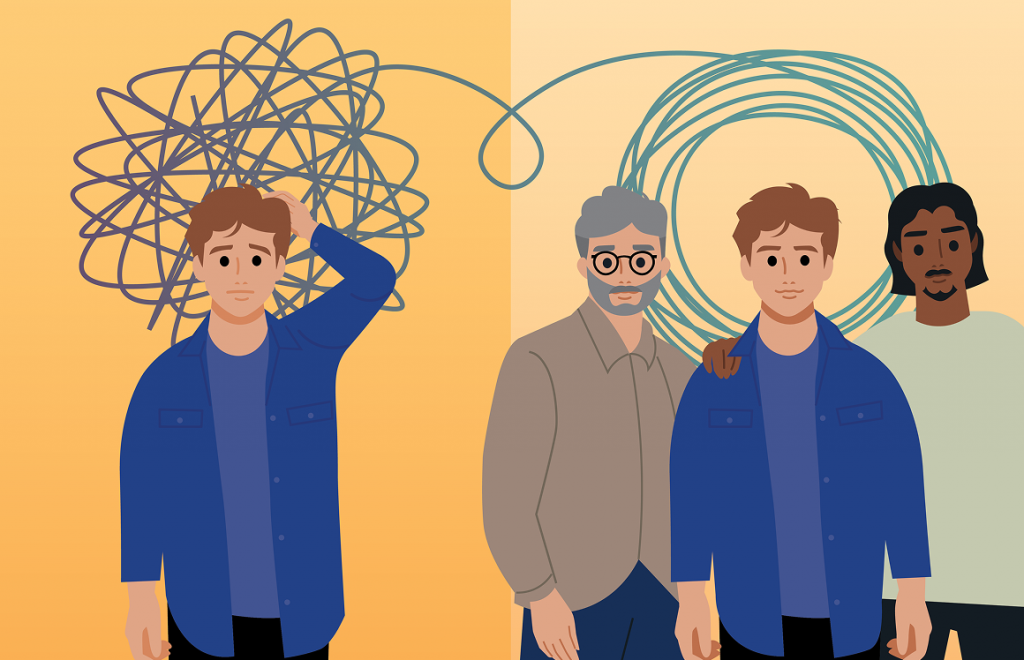
We all feel stressed at times. It can be caused by a health concern, money struggles or a disagreement with your partner. Even the constant buzz of the warehouse can be overwhelming. Managing stress isn’t easy, but you have tools and resources to help you build healthy coping skills.
Looking for more? Find other articles below
Remember, no problem is too small to ask for help. Browse through your Benefits Guide for even more resources that support stress management.
SEPTEMBER 2025
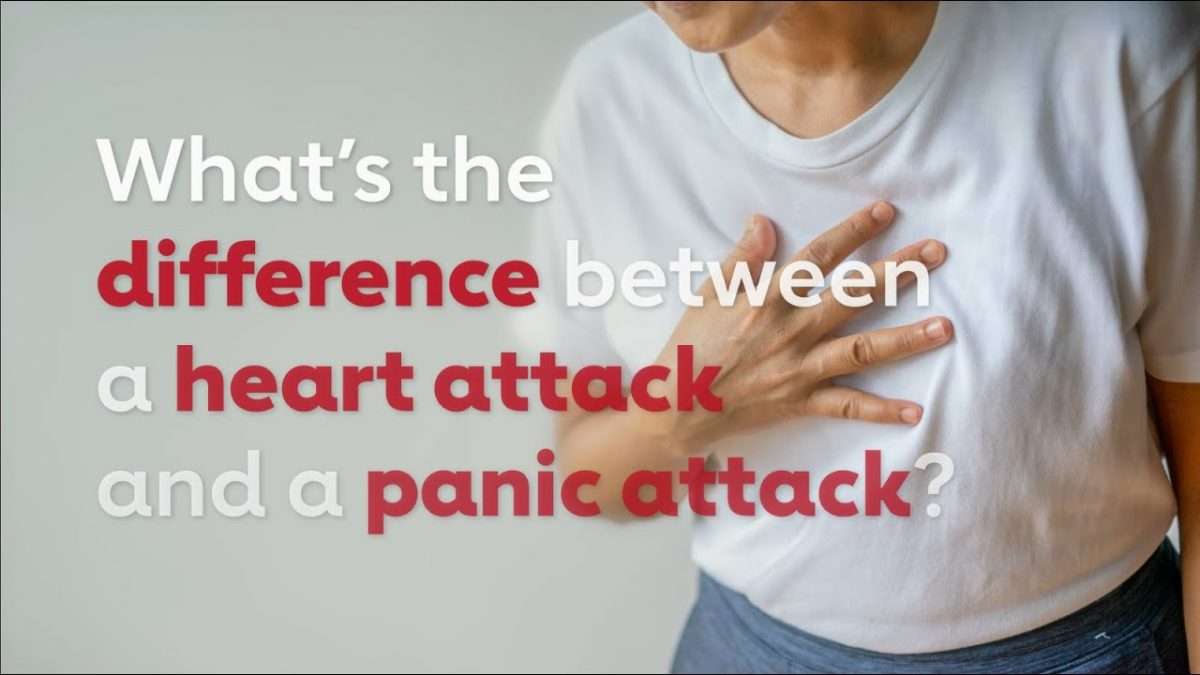
Have you ever felt short of breath or your heart race? Both can be scary. You may have wondered if it was a heart attack or a panic attack. It can be hard to tell the difference. In this video, we’ll help you understand what’s happening and what to do.
Looking for more? Find other articles below
Show transcript

Source(s):
American Heart Association. Heart attack vs. panic attack: Know the difference.

SEPTEMBER 2025
Depression isn’t always obvious. While it can make people feel sad and hopeless, it may not show on the outside. This video from the Campaign Against Living Miserably shows us that, sometimes, the people who need the most help don’t act the way we’d expect.
Looking for more? Find other articles below
Show transcript
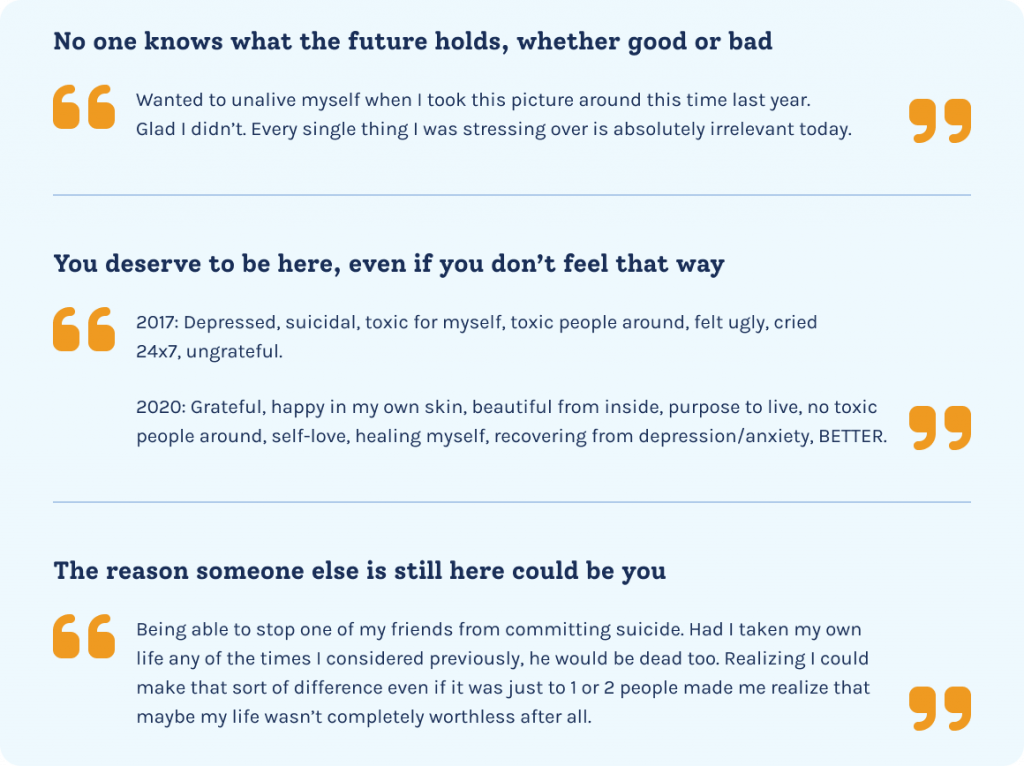
Depression and thoughts of suicide are like tunnel vision — they can make any light or hope seem small and impossibly far away. Supportiv collected stories from people who changed their minds about suicide. Even Olympian Michael Phelps has admitted to wanting to die by suicide.
“I remember going to treatment my very first day. I was shaking, shaking because I was nervous. I said to myself so many times, ‘Why didn’t I do this 10 years ago?’ But, I wasn’t ready. I am extremely thankful that I did not take my life.” — Michael Phelps
All these stories have one thing in common: They’re so glad that they’re still here. See below for some examples from the article.
Remind someone that you’re a safe person to turn to or get help if you need it. There are free, anonymous, in-the-moment support options such as Resources for Living®. Call 833-721-2320 for help for you and your family if needed.
If you’re thinking about suicide or think someone might be at risk, call or text 988 to reach the Suicide & Crisis Hotline for immediate support, 24/7.
Looking for people who understand what you’re going through? Supportiv offers anonymous peer-to-peer group chats. All conversations are moderated and connect you with people who understand what you’re going through.
And don’t forget — you’re not alone. There are resources and people who can help.